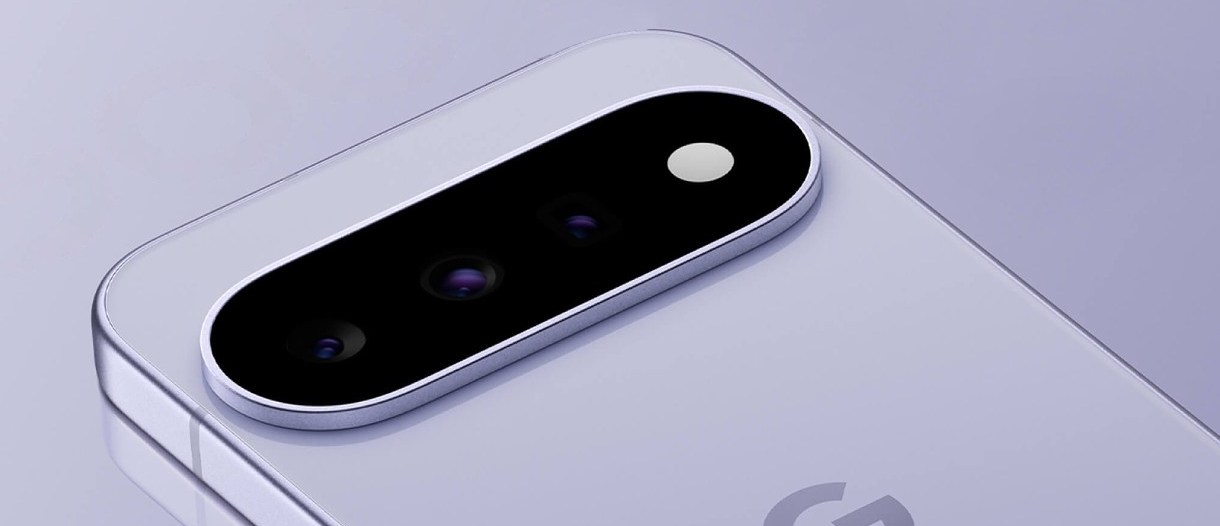
Google has officially unveiled its Pixel 11 lineup, made up of the standard Pixel 11, the Pixel 11 Pro, the larger Pixel 11 Pro XL, and the foldable Pixel 11 Pro Fold. Every model runs Google's new Tensor G6 chip and leans heavily into Gemini-powered AI features, with meaningful camera upgrades across the board and one major surprise: the standard Pixel 11 finally gets a telephoto camera.
Released on August 20, 2026, the Pixel 11 series is Google's most unified lineup yet. Rather than reserving the biggest upgrades for the Pro models, Google gave every phone in the family the same Tensor G6 chipset, the same Gemini-driven software features, and Qi2 magnetic wireless charging. The differences this year come down to display size, camera hardware, RAM, and price, not chip performance, a shift that makes the standard Pixel 11 a far more compelling option than in previous generations.
Quick Comparison: The Pixel 11 Lineup
| Model | Display | RAM | Battery | Starting Price |
|---|---|---|---|---|
| Pixel 11 | 6.3" OLED, 120Hz | 12GB | Not specified | $899 |
| Pixel 11 Pro | 6.3" LTPO OLED, 120Hz | 12GB | 4870mAh | $1,099 |
| Pixel 11 Pro XL | 6.8" LTPO OLED, 120Hz | 12GB / 16GB | 5115mAh | $1,299 |
| Pixel 11 Pro Fold | 8.0" inner / 6.5" cover | 16GB | 4750mAh | $1,899 |
Tensor G6: The Same Chip Across the Whole Lineup
The headline change this year isn't any single feature, it's Google's decision to put the identical Tensor G6 chipset in every Pixel 11 model, including the standard Pixel 11. In previous generations, the base Pixel often ran a step behind the Pro models. That gap is gone in 2026. Whether you buy the $899 Pixel 11 or the $1,899 Pixel 11 Pro Fold, you get the same processing power, paired with a Google-designed GPU built specifically to accelerate on-device AI tasks.
RAM is where the lineup still separates: the Pixel 11 and Pixel 11 Pro both ship with 12GB, the Pixel 11 Pro XL offers a 16GB option on its top storage tier, and the Pixel 11 Pro Fold starts at 16GB across the board, reflecting the heavier multitasking foldable owners are expected to do.
Cameras: A Telephoto Lens Finally Comes to the Standard Pixel
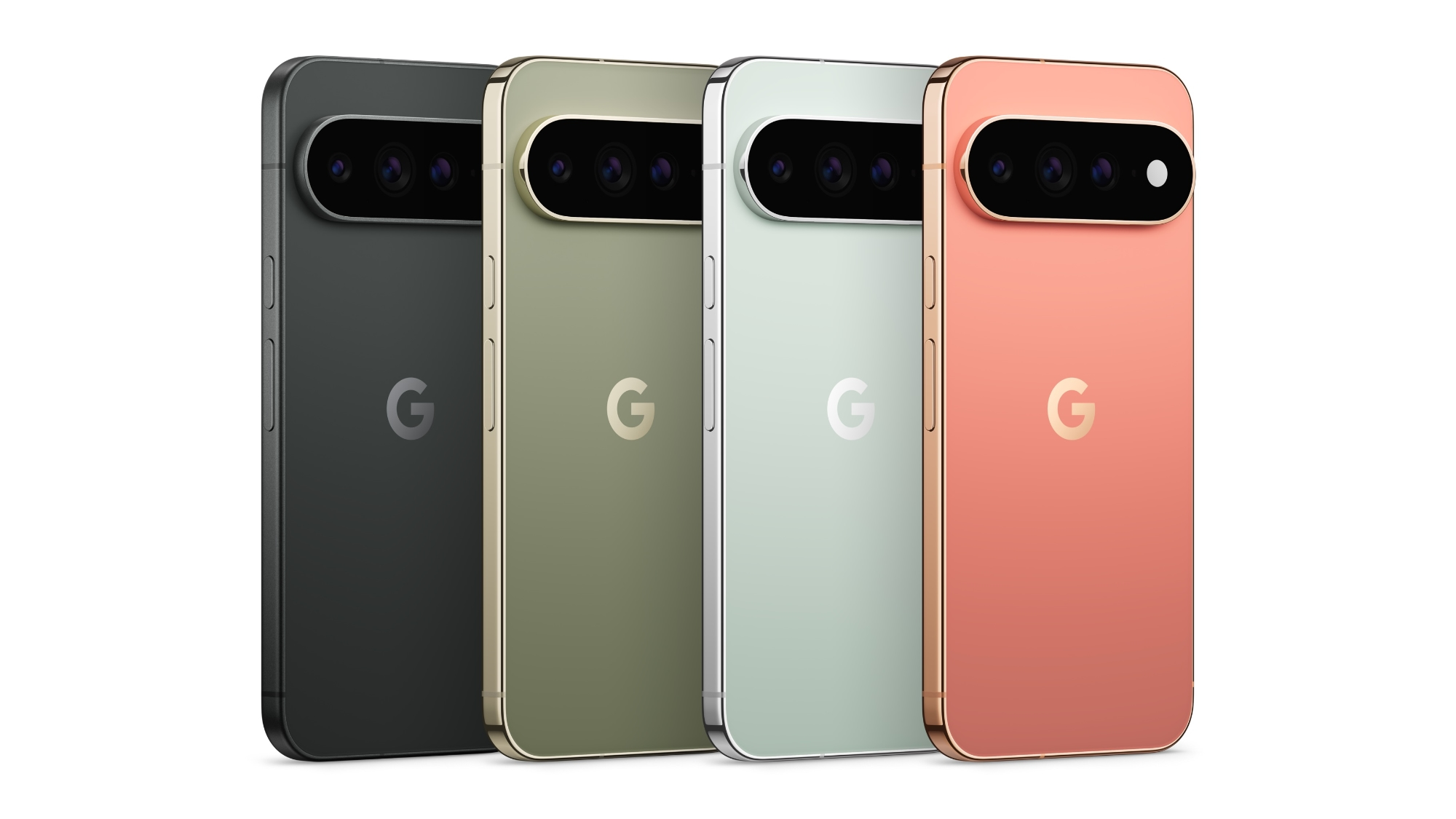
The most notable camera change belongs to the standard Pixel 11, which gains a 10.8MP telephoto lens with up to 30x zoom, a first for a non-Pro Pixel. Paired with its 48MP main sensor and 13MP ultrawide, the Pixel 11 now offers a genuinely complete triple-camera system rather than the two-lens setup Google has shipped on base Pixels for years.
The Pixel 11 Pro and Pro XL step up further, with a 50MP main camera, a 48MP ultrawide, and a 48MP periscope telephoto lens capable of up to 120x Pro Res Zoom, Google's combined optical-and-AI zoom system. The Pixel 11 Pro Fold gets its own camera overhaul, introducing a new 48MP main sensor alongside its ultrawide and 5x telephoto lens, with up to 30x Super Zoom, plus dual selfie cameras split between its cover and inner displays.
AI and Software: Gemini Front and Center
Every phone in the Pixel 11 lineup runs new AI-first software features built around Gemini, including Camera Looks for stylized photo edits, Magic Capture for automatically identifying and cropping the best moment from a shot, and deeper integration with Google's on-device Gemini assistant. The Pixel 11 Pro Fold specifically ships with Android 17, ahead of the rest of the lineup, and is described by Google as "designed for Gemini," with software tuned around the phone's larger multitasking-friendly display.
Google is backing all four phones with seven years of OS and security updates, matching the commitment it introduced with the Pixel 10 series and keeping pace with Samsung's current flagship policy.
Charging and Battery
Qi2 magnetic wireless charging is standard across the entire Pixel 11 lineup for the first time, alongside fast wired charging and reverse wireless charging for topping up accessories. Battery capacity scales with phone size: the Pixel 11 Pro carries a 4870mAh cell, the larger Pixel 11 Pro XL steps up to 5115mAh, and the Pixel 11 Pro Fold uses a smaller 4750mAh battery split across its folding design, offset somewhat by faster 30W wired and 25W Qi2.2 wireless charging.
Pixel 11 Pro Fold: The Biggest Design Change
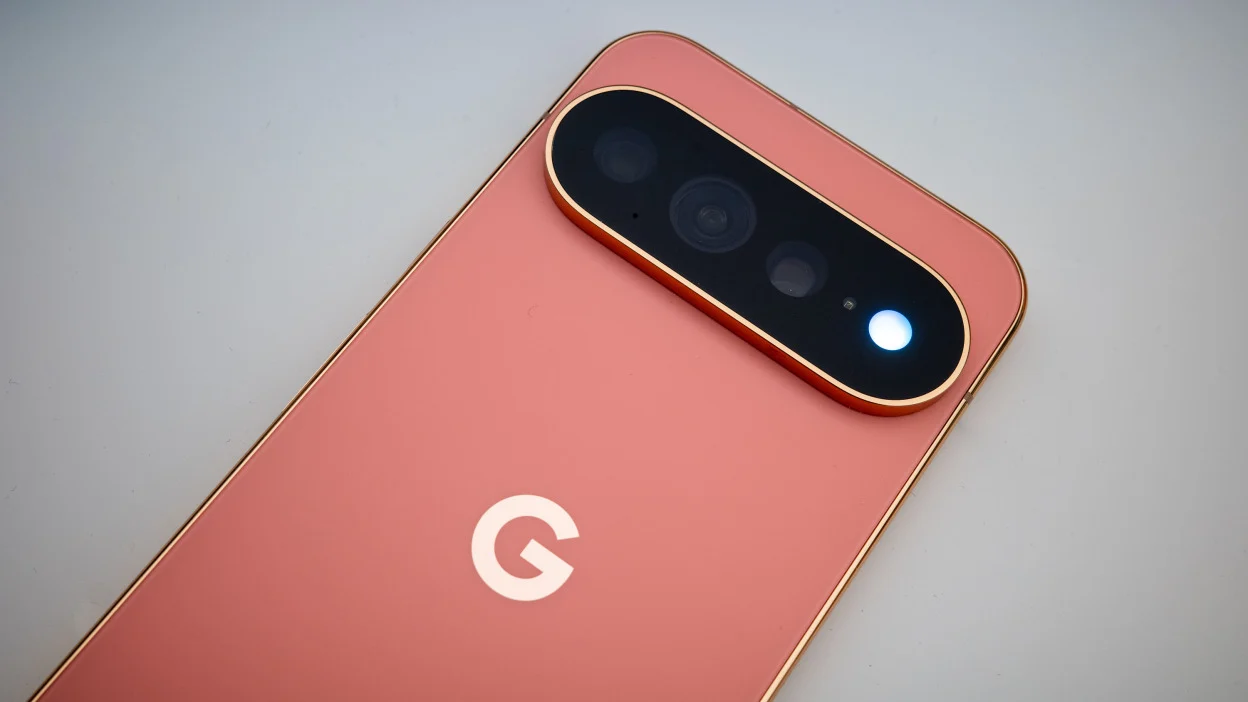
The Pixel 11 Pro Fold represents Google's biggest hardware shift this generation. It's thinner and lighter than the outgoing Pixel 10 Pro Fold, weighing 239 grams, and both its 8.0-inch inner display and 6.5-inch cover display now reach up to 3600 nits of peak brightness, matching the non-folding Pro models. Crucially, Google added IP68 dust and water resistance, bringing the Fold's durability rating in line with a standard flagship phone rather than trailing behind it, as most foldables have historically done.
Price and Availability
The Pixel 11 starts at $899, the Pixel 11 Pro at $1,099, the Pixel 11 Pro XL at $1,299, and the Pixel 11 Pro Fold at $1,899. All four phones became available starting August 20, 2026, through Google's own store and major carriers. As with previous launches, expect broader retail availability and carrier-specific promotions to roll out over the following weeks.
Frequently Asked Questions
Conclusion
The Pixel 11 series shows Google narrowing the gap between its cheapest and most expensive flagships rather than widening it. Giving every model the same Tensor G6 chip and seven years of software support means the decision between the Pixel 11, Pixel 11 Pro, Pixel 11 Pro XL, and Pixel 11 Pro Fold now comes down to display size, camera range, and price, not raw performance. For a closer look at how each model stacks up individually, check our full reviews of the Pixel 11 Pro and Pixel 11 Pro XL.