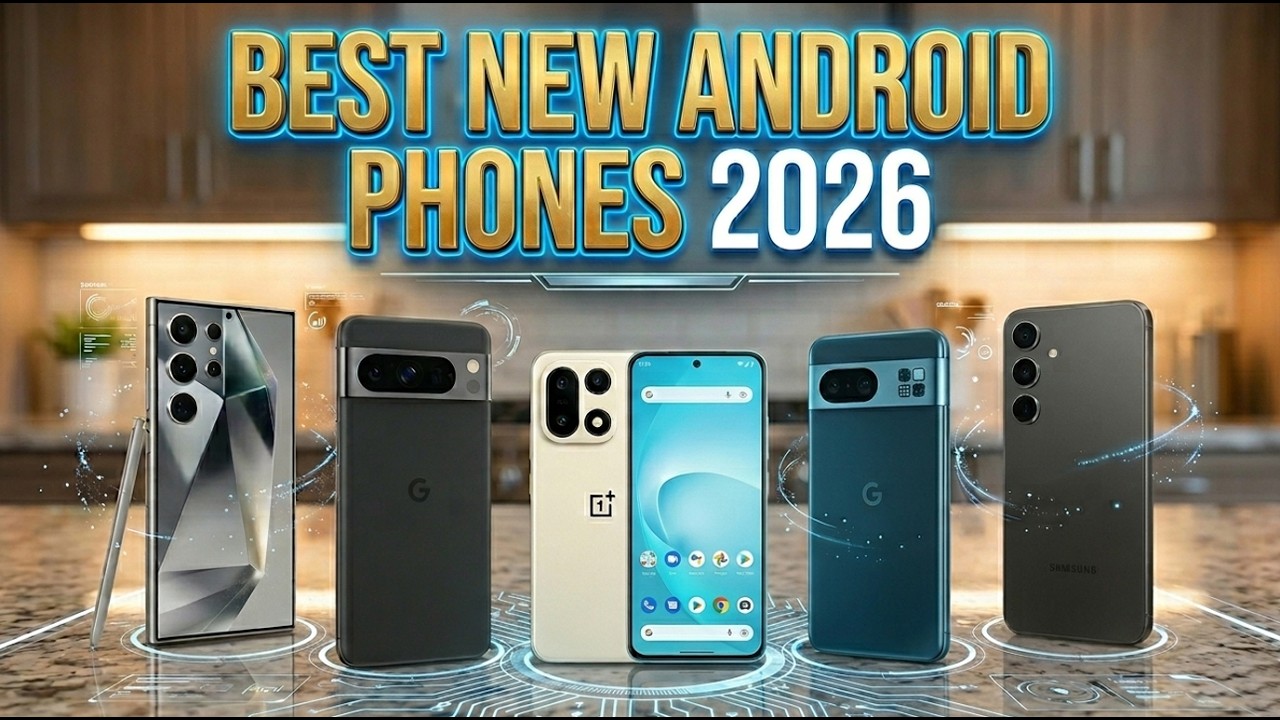
Finding the best Android phone in 2026 isn't as simple as picking the one with the fastest processor. There are now many excellent Android smartphones, and each is designed for a different type of user: some focus on cameras, others on gaming, battery life, artificial intelligence, productivity, or plain value.
The Samsung Galaxy S26 Ultra offers a large display, S Pen support, powerful cameras, and a wide range of productivity features. The Google Pixel 11 Pro XL puts more attention on Google's AI and photography software. The OnePlus 15 focuses heavily on performance, gaming, and battery life. There are also phones like the Xiaomi 17 Ultra and vivo X300 Pro that put serious attention on smartphone photography, while the POCO F9 Ultra offers flagship-level hardware without reaching the price of some ultra-premium phones.
Instead of saying one phone is perfect for everyone, this guide ranks the ten best Android phones of 2026 and explains what each one does particularly well, whether you need a flagship for work, a phone for gaming, a camera phone, a long-lasting battery, or a more affordable option.
Best Android Phones of 2026 at a Glance
| Rank | Phone | Best For | Main Strength |
|---|---|---|---|
| 1 | Samsung Galaxy S26 Ultra | Overall | Complete flagship experience |
| 2 | Google Pixel 11 Pro XL | AI and photography | Google software and AI |
| 3 | OnePlus 15 | Performance and battery | 7,300mAh battery and 165Hz display |
| 4 | Xiaomi 17 Ultra | Camera hardware | Leica 1-inch sensor camera system |
| 5 | vivo X300 Pro | Photography | 200MP ZEISS telephoto |
| 6 | Samsung Galaxy Z Fold8 | Productivity | Large foldable display |
| 7 | Nothing Phone (4a) Pro | Design and value | Clean software and unique design |
| 8 | Google Pixel 11 | Software and AI | Tensor G6 and Google experience |
| 9 | POCO F9 Ultra | Gaming value | Flagship performance and huge battery |
| 10 | Motorola Edge 2026 | Mid-range value | Display and everyday features |
1. Samsung Galaxy S26 Ultra — Best Android Phone Overall
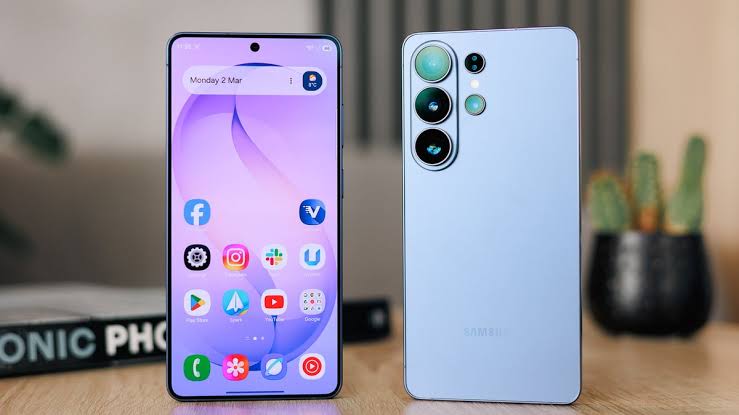
The Samsung Galaxy S26 Ultra is one of the most complete Android smartphones available in 2026. Samsung gives it a 6.9-inch QHD+ Dynamic AMOLED 2X display with an adaptive refresh rate of up to 120Hz, the Snapdragon 8 Elite Gen 5 for Galaxy, a 5,000mAh battery, and up to 16GB of RAM with 1TB of storage on supported variants. The camera system includes a 200MP main camera, a 50MP ultrawide camera, a 50MP telephoto camera, and a 10MP telephoto camera.
Why choose the Galaxy S26 Ultra?
The S Pen makes it different from most conventional Android phones, useful for notes, drawing, editing, and other productivity tasks. Samsung also offers Galaxy AI features, Samsung DeX, and a mature software ecosystem, so it works well for users who want one phone for entertainment, work, and everyday use. The large display is also useful for watching videos, editing photos, and multitasking.
What could be better?
The phone is large and expensive, and its 5,000mAh battery is not especially large compared with newer competitors moving toward 6,000mAh and 7,000mAh cells. Still, if you want cameras, performance, display quality, software, and productivity features in one device, the Galaxy S26 Ultra is a very complete package.
Best for: People who want a premium Android phone that can handle almost everything.
2. Google Pixel 11 Pro XL — Best Android Phone for AI and Photography
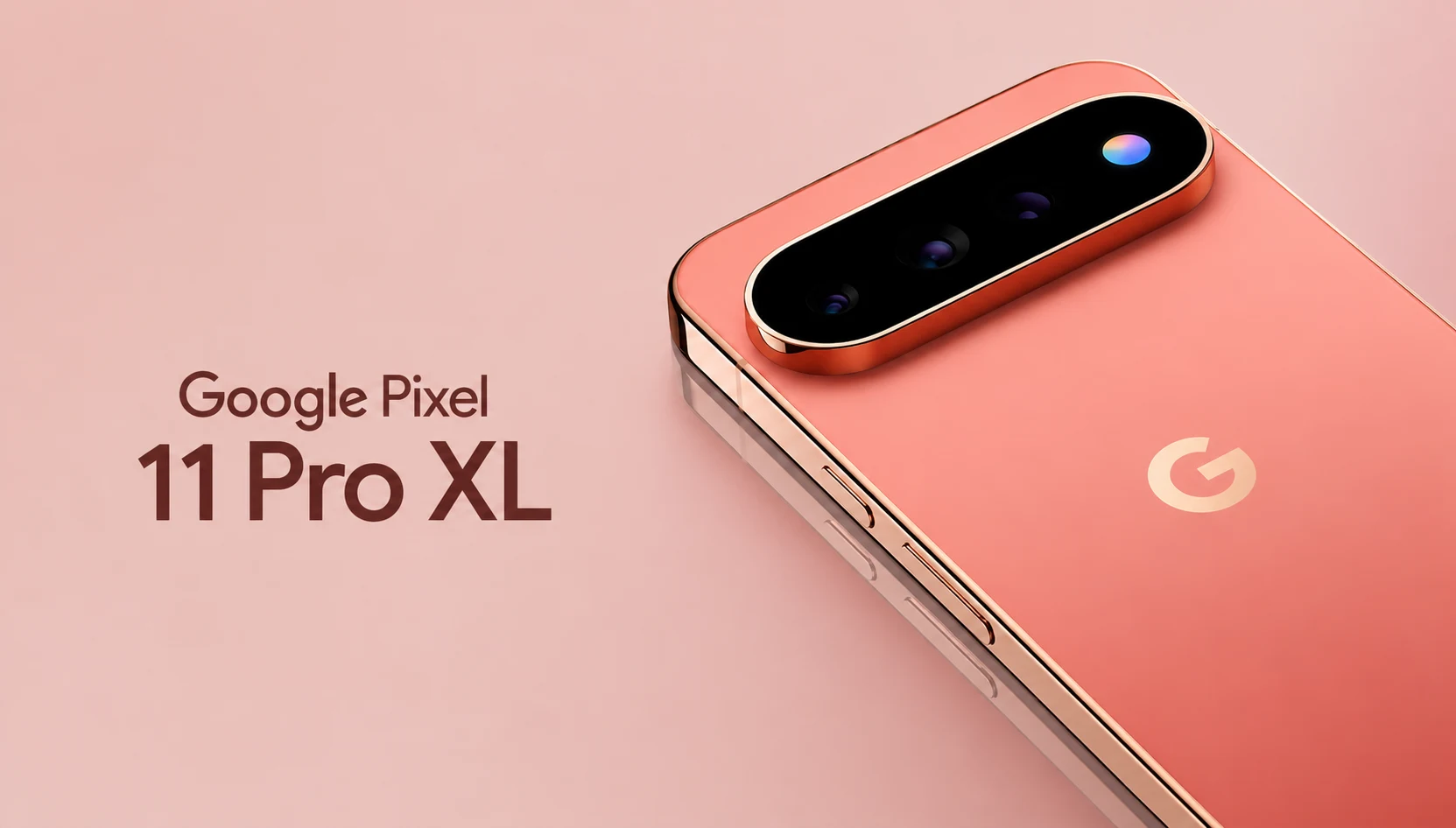
The Google Pixel 11 Pro XL takes a different approach, focusing on software, AI, and computational photography rather than competing mainly through charging speeds or enormous batteries. The phone uses Google's Tensor G6 processor and comes with a 6.8-inch LTPO OLED display capable of reaching 120Hz. Google lists a 5,115mAh battery, 12GB or 16GB of RAM depending on storage configuration, and 256GB, 512GB, or 1TB storage options.
The camera system includes a 50MP main camera, 48MP ultrawide camera, and 48MP telephoto camera offering 5x optical zoom, supporting Google's AI-assisted zoom up to 120x.
Why choose the Pixel 11 Pro XL?
Google controls both the hardware and much of the software experience, letting the company build camera and AI features directly around the Tensor platform, especially useful for people who enjoy Google's photography style and AI tools. The large 6.8-inch display also suits video and multitasking, and Google continues its strong seven-year software support commitment.
What could be better?
The Pixel 11 Pro XL isn't necessarily the first choice for someone who cares mostly about maximum gaming performance; other Android phones put more emphasis on sustained gaming, very fast charging, or extremely large batteries.
Best for: Photography, AI features, Google software, and long-term Android use.
3. OnePlus 15 — Best Android Phone for Performance and Battery
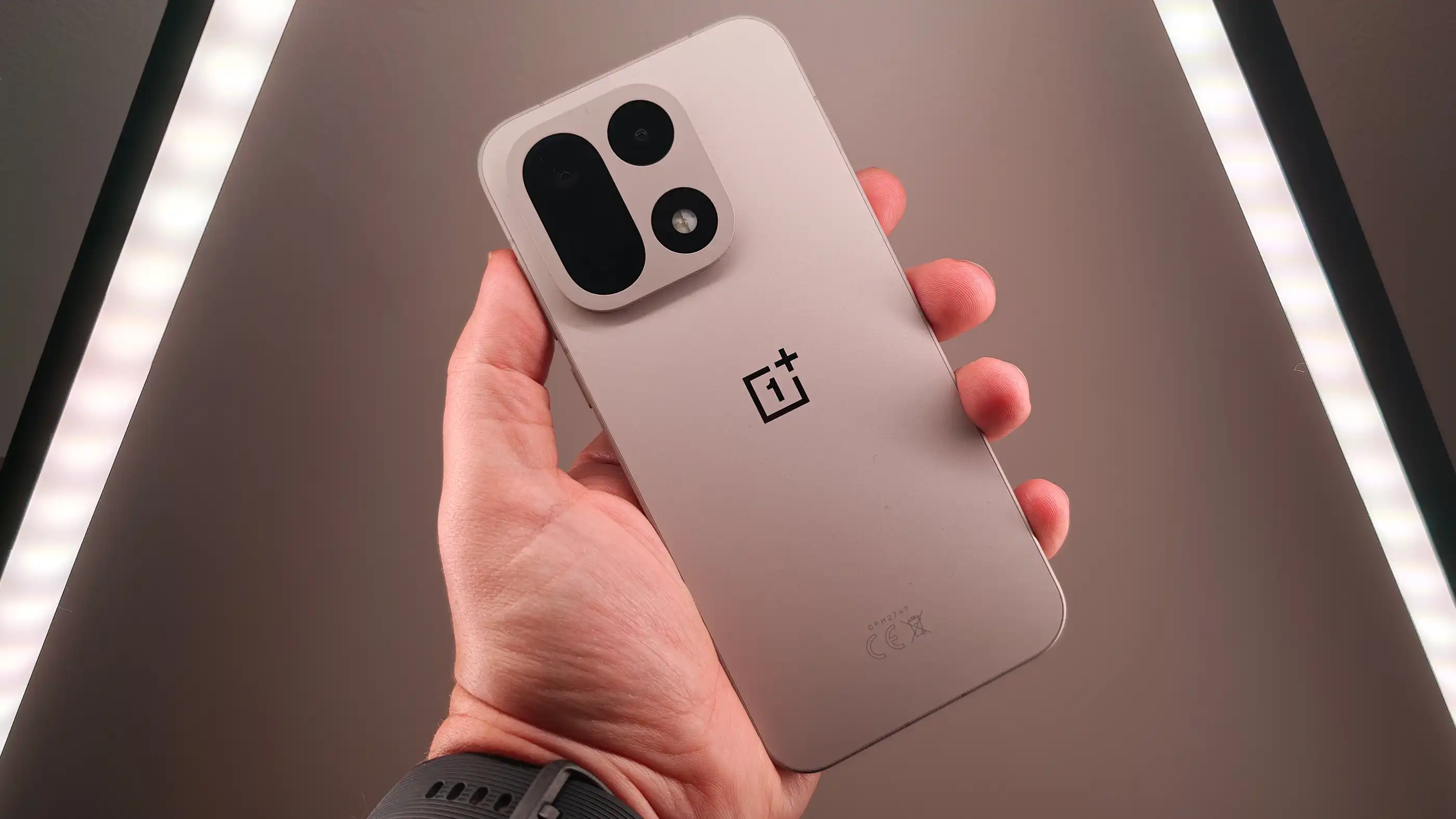
The OnePlus 15 is one of the phones to consider if performance and battery life are your biggest priorities. OnePlus equips the phone with the Snapdragon 8 Elite Gen 5, LPDDR5X memory, and UFS 4.1 storage. The display is also unusual for a flagship, supporting a refresh rate of up to 165Hz. However, the biggest talking point is the 7,300mAh silicon-carbon battery, considerably larger than the 5,000mAh batteries found in several traditional flagship phones.
Why choose the OnePlus 15?
The combination of a large battery, powerful processor, and high-refresh-rate display makes the phone especially interesting for gamers and heavy users. OnePlus also includes its OP Gaming Core, which works with the phone's hardware to improve gaming performance and maintain smoother frame rates, alongside a 360-degree cooling system to help manage heat during demanding workloads.
What could be better?
The OnePlus 15's main appeal is performance, battery, and smoothness. If your biggest priority is the most advanced camera hardware possible, some camera-focused flagships on this list may suit you better.
Best for: Gaming, performance, battery life, and heavy daily use.
4. Xiaomi 17 Ultra — Best Android Phone for Camera Hardware
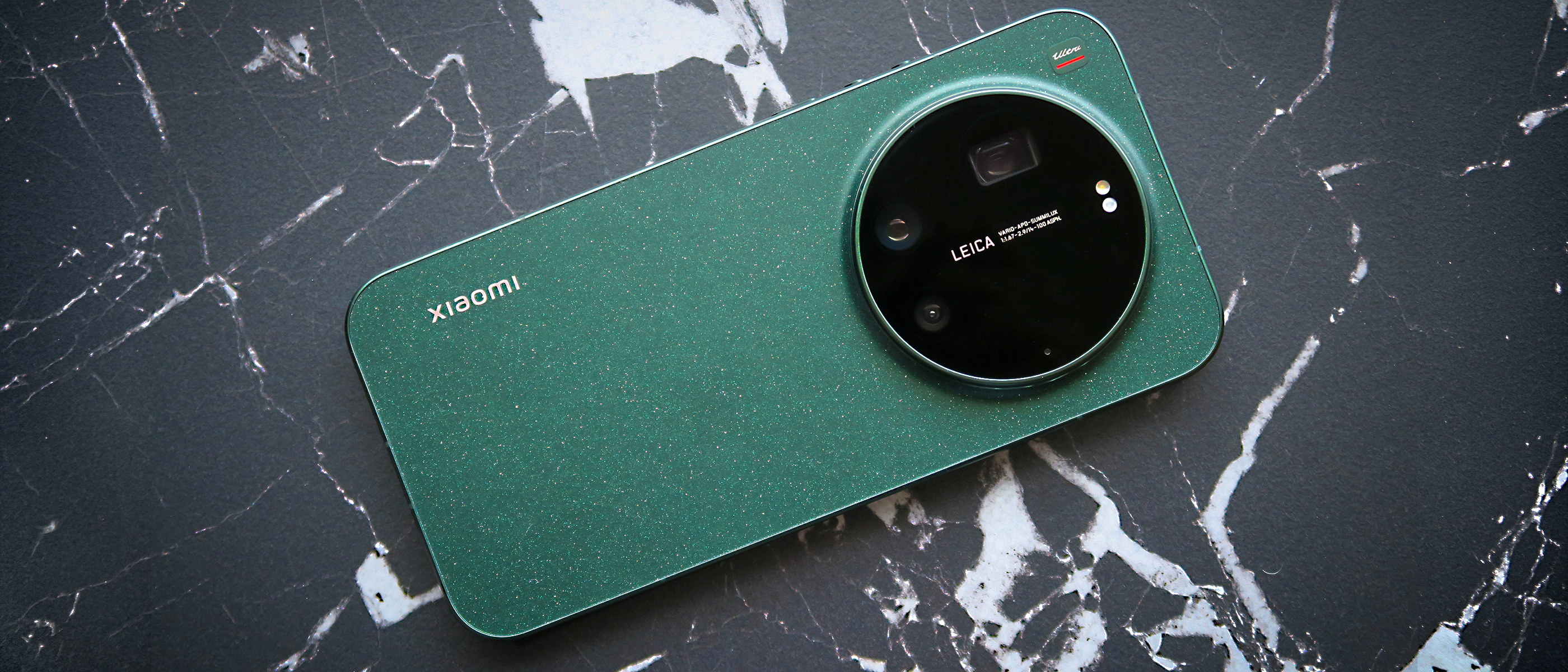
The Xiaomi 17 Ultra is built with photography in mind. Its camera system includes a 50MP Leica main camera with a large 1-inch sensor, a 50MP Leica ultrawide camera, and a 200MP Leica telephoto camera using a mechanical optical zoom system covering a 75-100mm focal-length range, giving it an unusual approach to smartphone zoom photography. It runs on the Snapdragon 8 Elite Gen 5 with an Adreno 840 GPU, and the global version carries a 6,000mAh battery with 90W wired and 50W wireless charging.
Why choose the Xiaomi 17 Ultra?
The combination of Leica optics, a large main sensor, and a high-resolution telephoto camera gives photography enthusiasts plenty of hardware to work with, backed by flagship-level overall performance and a premium build.
What could be better?
Xiaomi's software experience won't appeal to everyone, and availability can vary by country, so check the exact regional version and supported network bands in your market before buying.
Best for: People who care strongly about camera hardware and zoom photography.
5. vivo X300 Pro — Best Android Phone for Photography

The vivo X300 Pro is another serious camera-focused Android phone. It uses the Dimensity 9500 processor and comes with a 6.78-inch AMOLED display featuring an adaptive 1-120Hz refresh rate. The camera setup includes a 50MP main camera, 50MP ultrawide camera, and a 200MP ZEISS APO telephoto camera with OIS on both the main and telephoto lenses, that 200MP telephoto being one of the main reasons the X300 Pro stands out.
Why choose the vivo X300 Pro?
vivo has built the X300 Pro around mobile photography, with a large main sensor and a high-resolution telephoto camera for genuine zoom capability. Battery life is another strong point: the global version carries a 6,510mAh battery, while the European version uses a smaller 5,440mAh cell because of regional configuration. Charging support reaches 90W wired, with 40W wireless charging, and the phone carries an IP68/IP69 rating.
What could be better?
The phone is relatively heavy, and the exact battery and charger configuration depends on the market you buy it in.
Best for: Mobile photography, zoom photography, and users who want a large battery with a camera-focused flagship.
6. Samsung Galaxy Z Fold8 — Best Android Foldable for Productivity
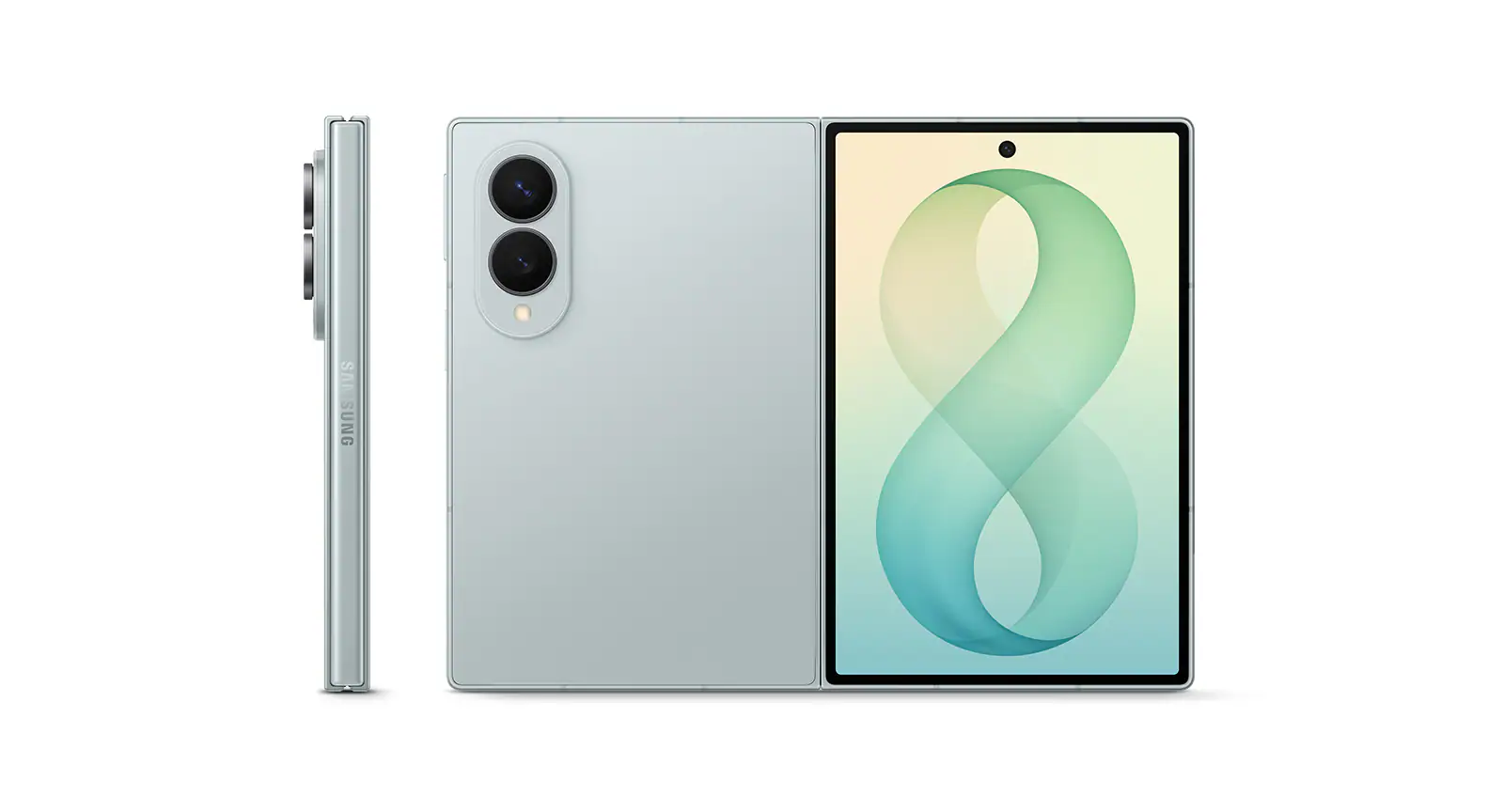
The Galaxy Z Fold8 is aimed at people who want something different from a normal smartphone. When closed, it works like a regular phone; when opened, it provides a much larger internal display for multitasking. Samsung lists a 7.6-inch Dynamic AMOLED 2X main display with a 120Hz refresh rate and a 5.5-inch cover display.
Why choose the Galaxy Z Fold8?
The large inner screen is useful for running multiple apps, reading documents, watching videos, and handling work tasks, letting you use the Fold8 as both a phone and a small tablet in one device, with Samsung's software designed around the foldable form factor.
What could be better?
The Fold8 costs more than most conventional flagship phones, and it makes the most sense for someone who will actually use the large screen. If you mostly browse social media, take photos, and make calls, a traditional flagship may be simpler.
Best for: Productivity, multitasking, and people who want a foldable Android phone.
7. Nothing Phone (4a) Pro — Best Android Phone for Design and Value
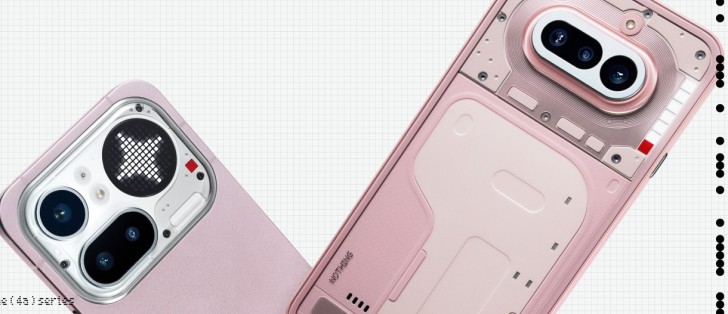
The Nothing Phone (4a) Pro takes a different approach from Samsung, Google, and Xiaomi, building its identity around a clean software experience and distinctive hardware design, aimed at people who want something that feels different without paying ultra-premium flagship prices.
Why choose the Nothing Phone (4a) Pro?
Its biggest appeal is the combination of design, software, and everyday usability. Nothing OS is relatively clean compared with heavily customized Android interfaces, while the company's Glyph interface gives the phone a recognizable appearance. It also sits closer to the affordable end of this list, making it easy to recommend to someone who doesn't need flagship-level performance.
What could be better?
It can't match the Galaxy S26 Ultra or other premium flagships for raw processing power, camera hardware, or specialized features.
Best for: Design, clean software, and users who want something different.
8. Google Pixel 11 — Best Android Phone for Google Software
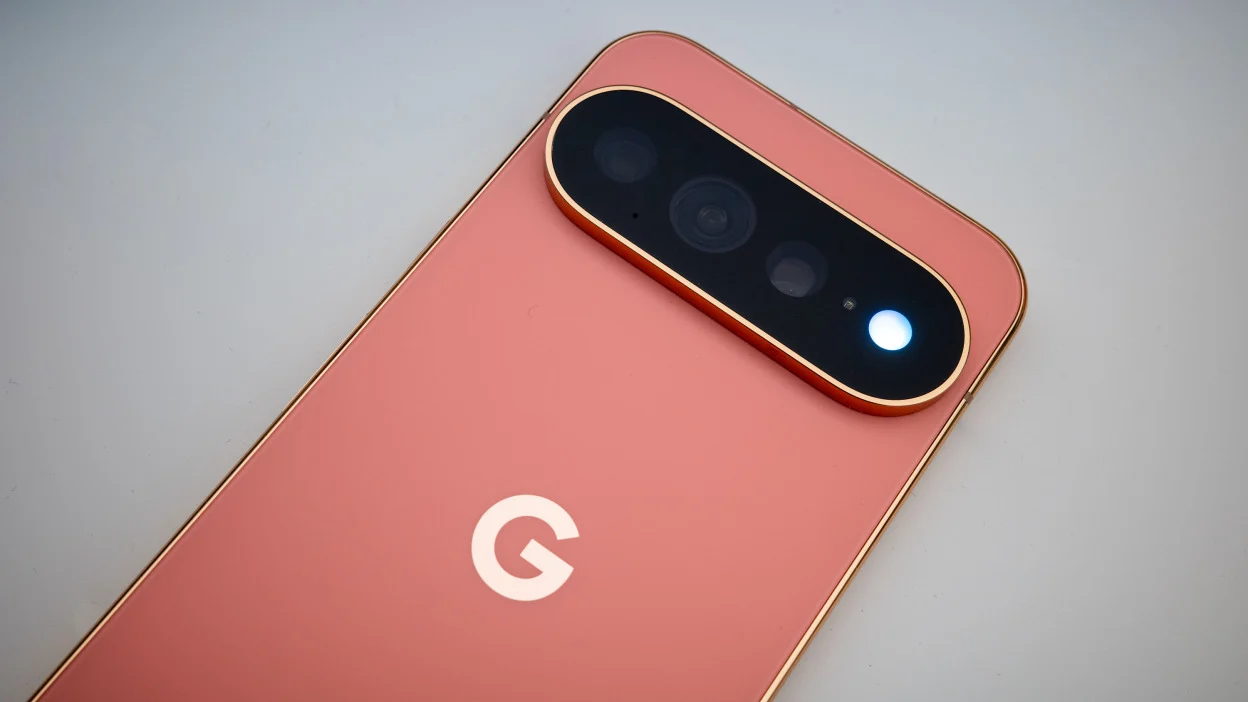
The standard Google Pixel 11 is worth considering if you like the Pixel experience but don't need the larger Pro XL. It uses Google's Tensor G6 platform and focuses on AI, photography, and Google's version of Android.
Why choose the Pixel 11?
The biggest advantage is the software experience: Google integrates Android features, Pixel-exclusive tools, and AI capabilities directly into the phone, and its smaller size makes it easier to handle than many large Android flagships. For people who care about clean software rather than the biggest camera system or fastest charging, the Pixel 11 makes sense.
What could be better?
The standard Pixel doesn't offer the same camera hardware and display size as the Pixel 11 Pro XL, and gaming-focused buyers may find other Android phones more suitable.
Best for: Clean Android software, Google AI, and people who prefer a more manageable flagship.
9. POCO F9 Ultra — Best Android Phone for Gaming Value
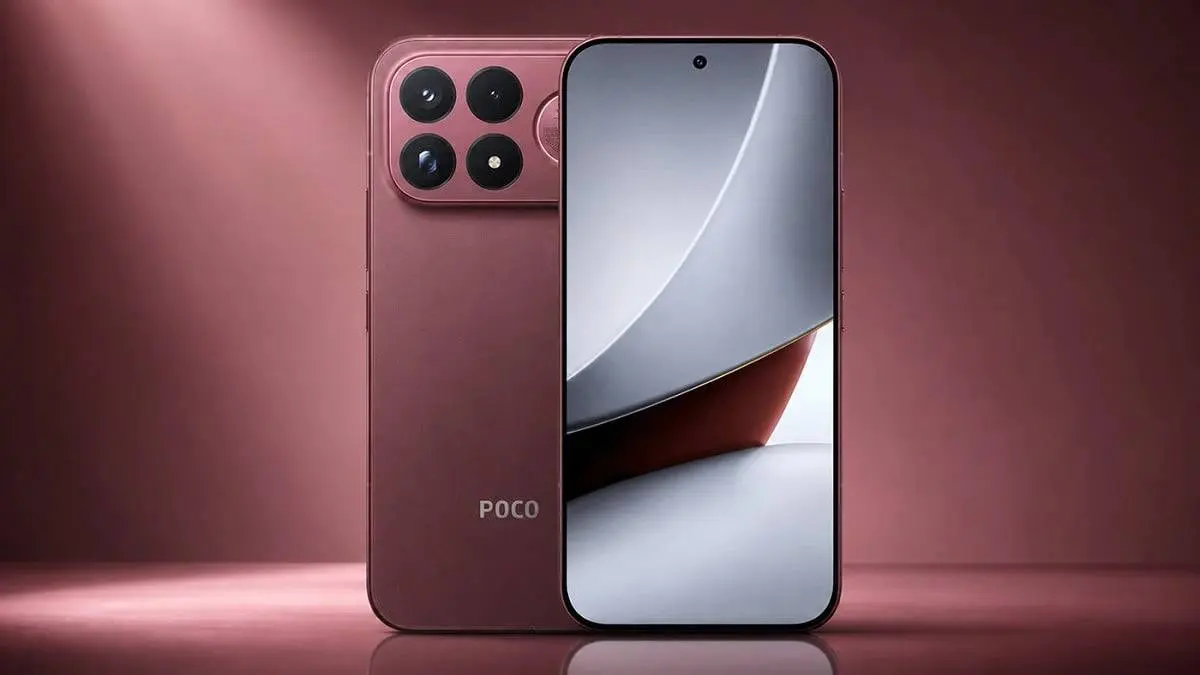
The POCO F9 Ultra is one of the most interesting choices for gamers who don't want to spend ultra-premium flagship money. It uses the Snapdragon 8 Elite Gen 5 with up to 16GB of RAM, and a 6.9-inch 185Hz AMOLED display. Its battery is perhaps even more impressive: POCO lists an 8,050mAh silicon-carbon battery, along with 100W wired HyperCharge and 50W wireless charging.
Why choose the POCO F9 Ultra?
The phone is built around gaming performance, including a dedicated VisionBoost D8 graphics chip, a high-refresh-rate display, and that large battery, useful because gaming can consume significant power. It also includes a genuinely capable 200MP main camera, a 50MP periscope telephoto, and a 50MP ultrawide, more capable than the "gaming phone" label might suggest.
What could be better?
The camera system, while solid, isn't as photography-focused as the Xiaomi 17 Ultra or vivo X300 Pro, and the phone is relatively heavy at around 235 grams.
Best for: Gamers who want flagship performance, a huge battery, and a high-refresh-rate screen.
10. Motorola Edge 2026 — Best Mid-Range Android Phone

Not everyone needs to spend flagship money. The Motorola Edge 2026 is designed for people who want a modern Android phone with a strong display, good battery, and everyday performance without moving into the ultra-premium category. Motorola lists a MediaTek Dimensity 7450 processor, 8GB of LPDDR5X RAM, and 128GB of storage, alongside a 6.3-inch Extreme AMOLED display with a refresh rate of up to 120Hz. The phone includes a 5,000mAh battery, 60W wired charging, and 15W wireless charging.
Why choose the Motorola Edge 2026?
Its smaller size makes it easier to carry than the giant flagship phones on this list, and the display has a high peak brightness rating with HDR10+ support. For normal tasks like social media, video streaming, messaging, browsing, and photography, it provides the features many people actually need.
What could be better?
The Dimensity 7450 isn't in the same performance class as the flagship Snapdragon and MediaTek processors used by the phones above, so heavy gamers and power users may want to spend more.
Best for: Everyday use, mid-range buyers, and people who want a smaller Android phone.
Best Android Phone for Different Types of Users
Best Android Phone Overall
The Samsung Galaxy S26 Ultra is the most complete option in this list. Its combination of cameras, display, performance, S Pen, software, AI, and productivity features makes it suitable for many different types of users.
Best Android Phone for AI
The Google Pixel 11 Pro XL is the strongest choice for people who want Google's AI-focused Android experience, with the Tensor G6 and Google's software working together to provide Pixel-specific AI tools.
Best Android Phone for Gaming
The OnePlus 15 and POCO F9 Ultra are especially interesting for gaming. The OnePlus 15 focuses on sustained performance, cooling, and battery life, while the POCO F9 Ultra adds a 185Hz display and a huge 8,050mAh battery.
Best Android Phone for Photography
There are several strong choices here. The Pixel 11 Pro XL focuses heavily on computational photography, while the Xiaomi 17 Ultra and vivo X300 Pro offer serious camera hardware, with the X300 Pro particularly interesting for users who want a high-resolution telephoto camera.
Best Android Phone for Battery Life
The POCO F9 Ultra and OnePlus 15 stand out because of their large batteries, the POCO F9 Ultra reaching 8,050mAh and the OnePlus 15 offering 7,300mAh.
Best Android Foldable
The Samsung Galaxy Z Fold8 is designed for people who value a large screen and multitasking, a different type of recommendation since its biggest advantage is the foldable form factor rather than simply having a faster processor.
Best Android Phone for Value
The POCO F9 Ultra, Nothing Phone (4a) Pro, and Motorola Edge 2026 are worth considering if you don't want to pay flagship prices, with POCO especially focused on performance and Nothing emphasizing design and software.
How to Choose the Best Android Phone in 2026
Before buying any phone, start with your actual needs.
If You Care About Cameras
Don't look at megapixels alone; a 200MP camera doesn't automatically produce better photos than a 50MP camera. Instead, consider sensor size, lens quality, optical stabilization, image processing, telephoto hardware, and low-light performance. The Pixel 11 Pro XL relies heavily on Google's image processing, while the Xiaomi 17 Ultra and vivo X300 Pro put significant attention on physical camera hardware.
If You Are a Gamer
Start with the processor, but don't stop there. Cooling matters, since a phone can have a powerful chipset but lose performance when it gets too hot. Also consider display refresh rate, battery size, touch response, speakers, and software gaming features.
If Battery Life Matters Most
A larger battery is useful, but it isn't the only factor. The processor, display, software, and network connection all affect battery life; a phone with a 7,000mAh battery can still drain quickly with inefficient software or hours of gaming.
If AI Features Matter
Look at both hardware and software. A powerful NPU can process AI tasks, but the manufacturer still needs to provide useful features, so check what the phone can actually do rather than buying it simply because its processor has an AI engine.
If You Want to Keep the Phone for Years
Software support should factor into your decision, along with storage, battery health, repair options, and overall durability. A slightly more expensive phone can make more sense if you plan to use it for several years.
Android Flagship vs Mid-Range: Which Should You Buy?
You don't necessarily need a flagship phone in 2026. Mid-range phones have become good enough for many everyday tasks, including social media, YouTube and streaming, messaging, web browsing, photography, video calls, banking apps, and casual gaming.
Flagships mainly become more useful when you need faster processors, better camera systems, long-range zoom, premium displays, better gaming performance, advanced AI features, wireless charging, more premium materials, or more powerful video recording. So if you mainly use your phone for normal daily activities, spending more on a flagship may not provide a huge improvement, but photographers, gamers, creators, and power users can benefit much more from the extra hardware.
People Also Ask
Best Android Phones of 2026: Full Comparison
| Phone | Processor | Display | Main Camera System | Battery |
|---|---|---|---|---|
| Galaxy S26 Ultra | Snapdragon 8 Elite Gen 5 for Galaxy | 6.9" QHD+ 120Hz | 200MP + 50MP + 50MP + 10MP | 5,000mAh |
| Pixel 11 Pro XL | Tensor G6 | 6.8" LTPO OLED 120Hz | 50MP + 48MP + 48MP | 5,115mAh |
| OnePlus 15 | Snapdragon 8 Elite Gen 5 | LTPO 165Hz | Triple camera system | 7,300mAh |
| Xiaomi 17 Ultra | Snapdragon 8 Elite Gen 5 | 6.9" LTPO OLED 120Hz | 50MP + 50MP + 200MP Leica | 6,000mAh (global) |
| vivo X300 Pro | Dimensity 9500 | 6.78" LTPO 120Hz | 50MP + 50MP + 200MP ZEISS | Up to 6,510mAh |
| Galaxy Z Fold8 | Snapdragon flagship | 7.6" 120Hz foldable | Dual rear camera system | — |
| Nothing Phone (4a) Pro | Mid-range platform | High-refresh AMOLED | Multi-camera system | — |
| Pixel 11 | Tensor G6 | High-refresh OLED | Pixel camera system | 4,985mAh |
| POCO F9 Ultra | Snapdragon 8 Elite Gen 5 | 6.9" AMOLED 185Hz | 200MP + 50MP + 50MP | 8,050mAh |
| Motorola Edge 2026 | Dimensity 7450 | 6.3" AMOLED 120Hz | Dual-camera system | 5,000mAh |
Final Thoughts
The best Android phone in 2026 depends on what you want from your smartphone. The Samsung Galaxy S26 Ultra is designed to do almost everything, from photography and gaming to productivity and entertainment. The Pixel 11 Pro XL takes a different path by putting AI and computational photography at the center of the experience, while the OnePlus 15 is a strong option for people who care about performance and battery life. The Xiaomi 17 Ultra and vivo X300 Pro are particularly interesting for photography enthusiasts, and gamers have even more choices between the POCO F9 Ultra's massive battery and 185Hz display and the OnePlus 15's cooling and battery focus.
Then there are phones like the Galaxy Z Fold8 for people who need a large screen, the Nothing Phone (4a) Pro for design-focused buyers, and the Motorola Edge 2026 for people who want a capable Android phone without moving into the highest price range. Before choosing a phone, think about what you actually use your smartphone for. If you take lots of photos, prioritize the camera. If you play demanding games, prioritize performance and cooling. If you travel frequently, battery life may matter more, and if you plan to keep the phone for years, software support and durability should be high on your list. There is no single specification that makes a phone perfect for everyone; the right choice is the Android phone that matches your own priorities, budget, and daily use.