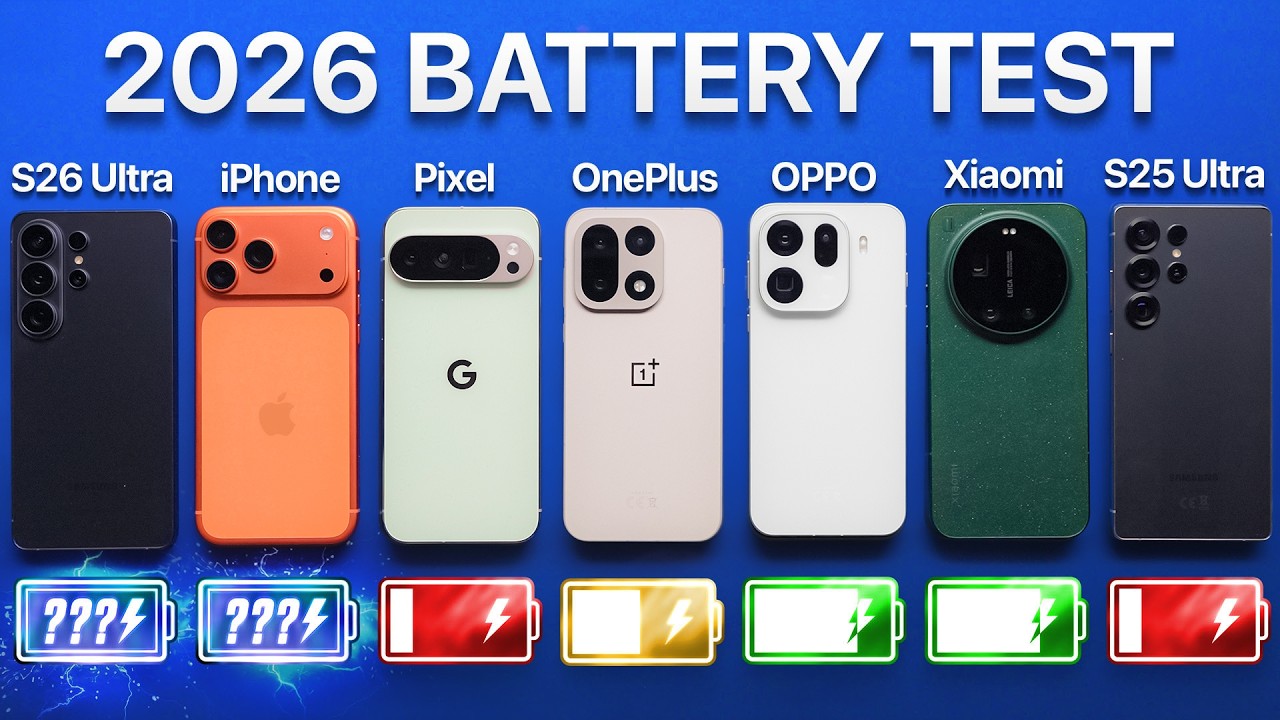
If you're tired of charging your phone every night, choosing a smartphone with a large battery can make a real difference. In 2026, phones with the best battery are no longer limited to bulky gaming devices. Silicon-carbon battery technology has let manufacturers fit much larger batteries into regular smartphones without making them extremely thick.
Some 2026 smartphones now have batteries above 7,000mAh, and a few have pushed past 9,000mAh. The Redmi Note 17 Pro Max, for example, has a huge 9,210mAh battery in EU markets and up to 10,000mAh elsewhere, while the POCO F9 Ultra comes with an 8,050mAh battery. The OnePlus 15 combines a 7,300mAh battery with fast charging and has produced excellent results in independent battery testing.
However, battery capacity isn't everything. A phone with a 7,000mAh battery can still perform worse than another phone with a smaller battery if its processor, display, software, or network modem uses more power. That's why this guide looks at the complete battery experience: capacity, charging speed, efficiency, display technology, performance, and real-world endurance.
Best Battery Life Smartphones in 2026 at a Glance
| Phone | Battery | Charging | Best For |
|---|---|---|---|
| OnePlus 15 | 7,300mAh | Up to 120W wired / 50W wireless | Best overall battery |
| Redmi Note 17 Pro Max | 9,210mAh (EU) / 10,000mAh (Global) | 100W wired | Maximum battery capacity |
| POCO F9 Ultra | 8,050mAh | 100W wired / 50W wireless | Gaming and performance |
| REDMAGIC 11 Pro | 7,500mAh | 80W wired / 80W wireless | Gaming |
| HONOR Magic8 Lite | 7,500mAh | Fast charging | Long everyday use |
| vivo X300 Pro | 6,510mAh | 90W wired / 40W wireless | Flagship balance |
| Samsung Galaxy S26 Ultra | 5,000mAh | 60W wired / 25W wireless | Premium flagship |
| Xiaomi 17 Ultra | 6,000mAh (global) | 90W wired / 50W wireless | Camera and battery |
| OPPO Find X10 Pro | Large silicon-carbon battery | Fast charging | Flagship endurance |
| OnePlus 15R | Large battery | Fast charging | Value and endurance |
Battery capacities and charging specifications can vary by market. Always check the local model before buying.
1. OnePlus 15 — Best Battery Life Smartphone Overall
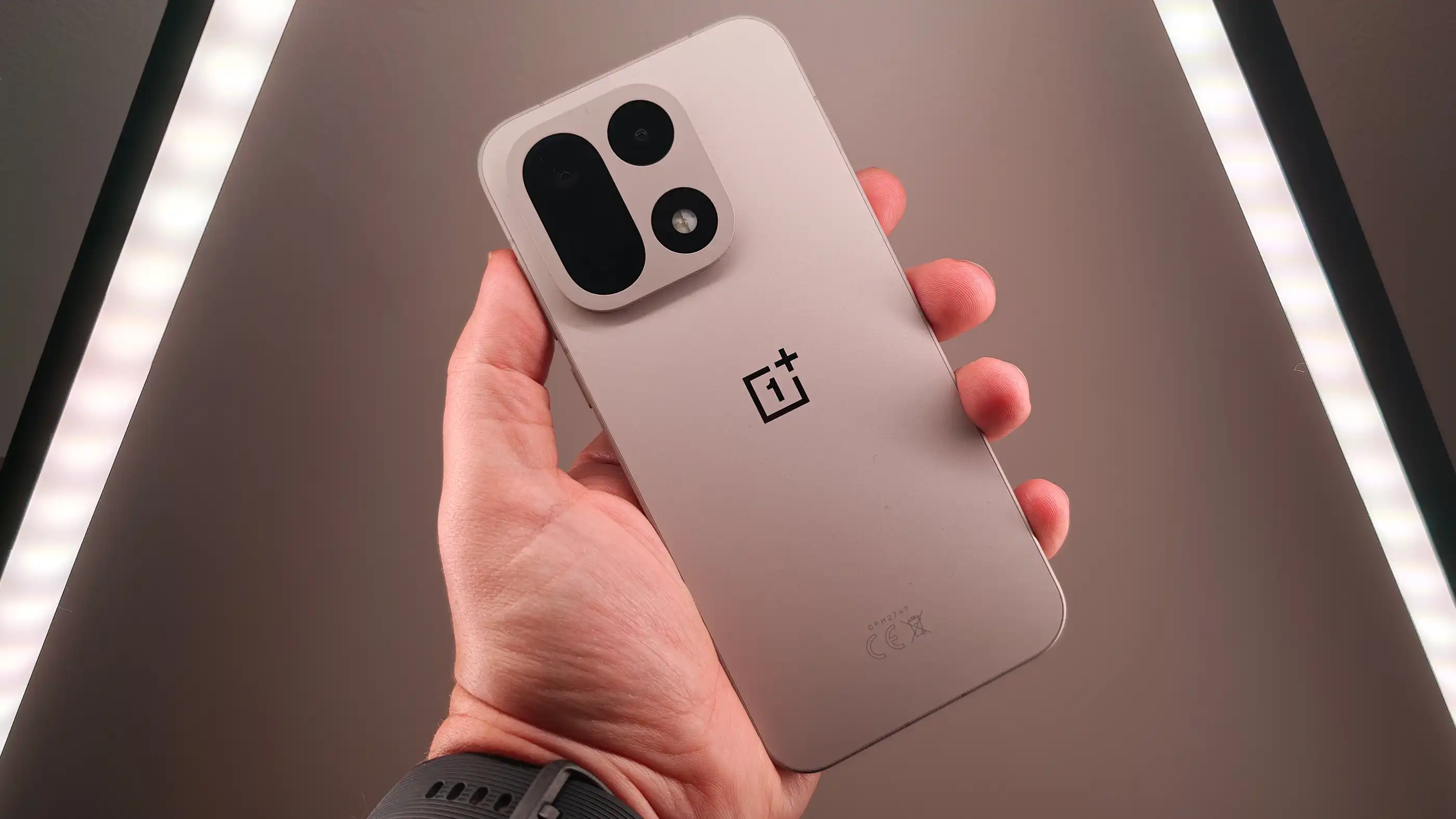
The OnePlus 15 is one of the strongest choices if your main priority is battery life without giving up flagship performance. It uses a 7,300mAh silicon-carbon battery, considerably larger than the batteries found in many traditional flagship phones, paired with an efficient high-end processor and a high-refresh-rate display.
Independent testing from Tom's Guide recorded an impressive 25 hours and 13 minutes in its battery test, making the OnePlus 15 one of the longest-lasting smartphones the publication has tested. The same testing found the phone reaching 45% in 15 minutes and 81% in 30 minutes on its wired charging system. Globally, OnePlus rates the 15 for up to 120W wired charging and 50W wireless charging, though charger wattage can vary by region.
Why the OnePlus 15 has such good battery life
The large battery is obviously important, but it's only part of the story. The phone combines a large silicon-carbon cell with modern processor efficiency, power management, and display controls. For heavy users, that means hours of video, social media, navigation, photos, or gaming without constantly hunting for a charger.
OnePlus 15 battery highlights
- 7,300mAh silicon-carbon battery
- Fast wired charging (up to 120W depending on market) plus 50W wireless
- Excellent independent battery-test performance
- High-end Snapdragon processor
- High-refresh-rate display
If you want one phone that balances battery capacity, performance, charging, and flagship features, the OnePlus 15 is one of the strongest choices in 2026.
2. Redmi Note 17 Pro Max — Biggest Battery
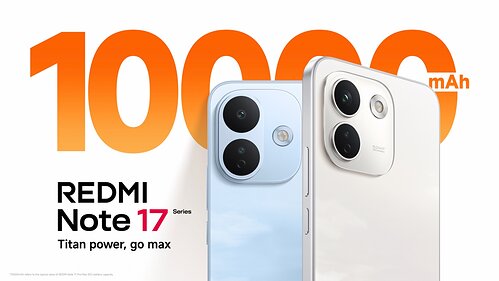
If your definition of the best battery starts with the biggest capacity possible, the Redmi Note 17 Pro Max deserves serious attention. Xiaomi has equipped the phone with a massive 9,210mAh silicon-carbon battery in EU markets, rising to 10,000mAh in some other regions, paired with 100W HyperCharge. Xiaomi says the battery can provide up to three days of use under its specified test conditions, and independent testing from GBAtemp found the phone still sitting around 40% after 10 days of light, chat-focused use, an admittedly best-case scenario.
It's worth being upfront about the trade-off: the Redmi Note 17 Pro Max runs on a mid-range Snapdragon 6 Gen 5 chipset rather than a flagship processor, so Xiaomi has clearly prioritized battery autonomy and durability over raw performance. That's a reasonable trade at its price point, but it means this isn't a phone to buy for demanding gaming.
Who should buy it?
The Redmi Note 17 Pro Max makes sense for users who want to spend as little time as possible near a charger. It's particularly useful for long trips, heavy social media use, video streaming, navigation, mobile hotspot use, students, and anyone who regularly forgets to charge their phone. It may not have flagship-level performance, but its battery capacity is difficult to ignore at its price.
3. POCO F9 Ultra — Best Battery for Performance and Gaming
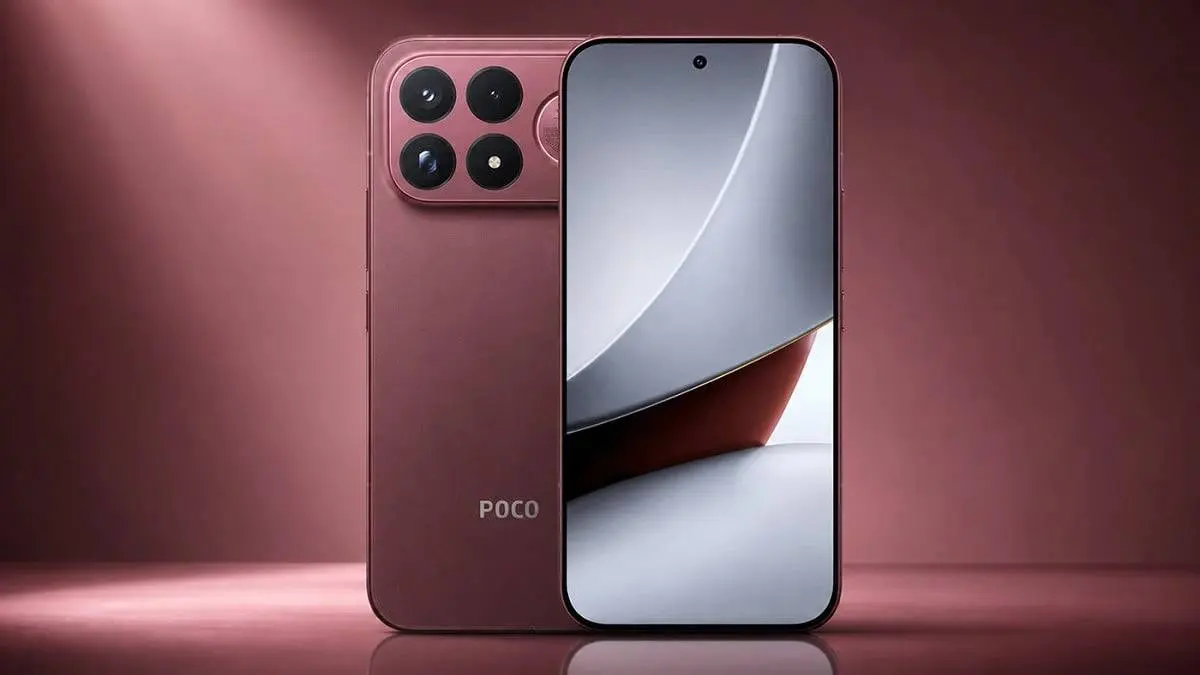
The POCO F9 Ultra takes the large-battery formula and combines it with genuine flagship-level performance. It has an 8,050mAh battery, 100W wired HyperCharge, and 50W wireless charging, paired with the Snapdragon 8 Elite Gen 5 platform and a 185Hz AMOLED display.
Gaming normally consumes considerably more power than messaging or web browsing. A powerful processor, bright display, high refresh rate, and sustained graphics performance can quickly drain a conventional flagship battery, so the F9 Ultra approaches the problem by simply giving the phone a much larger energy reserve.
Why gamers should consider it
The 8,050mAh battery gives the phone more room for demanding workloads, and the 100W charging system means you don't wait long once the battery does get low. It's one of the better choices for long gaming sessions, high-performance Android gaming, fast wired and wireless charging, and high-refresh-rate gaming, with battery-focused performance that few rivals match.
4. REDMAGIC 11 Pro — Best Battery Life for Gaming
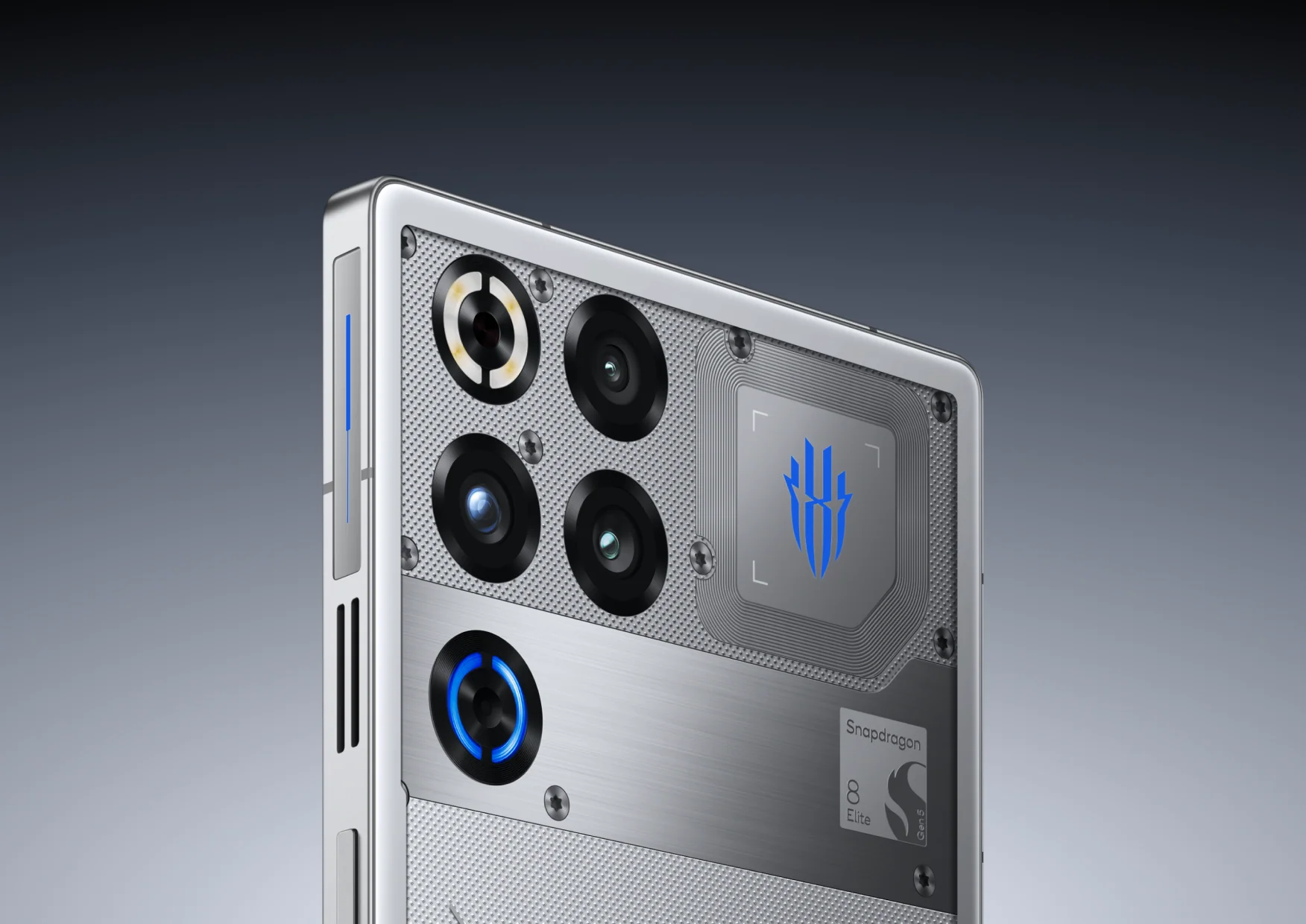
Gaming phones have traditionally been among the best phones for battery life, and the REDMAGIC 11 Pro continues that trend. The phone has a 7,500mAh battery with 80W wired and 80W wireless charging, built around the Snapdragon 8 Elite Gen 5 and REDMAGIC's AquaCore liquid cooling system, alongside a high-refresh-rate BOE X10 AMOLED display.
Independent lab testing found the REDMAGIC 11 Pro's battery life frequently surpassing phones with far larger, 10,000-12,000mAh batteries, while also maintaining low temperatures under load thanks to its cooling system, and a full 0-100% charge in about 54 minutes using its bundled charger.
Why the REDMAGIC 11 Pro stands out
The phone isn't simply carrying a large battery; its cooling system helps control temperatures during demanding gaming sessions, while its charging and power-management features are designed specifically around sustained gaming. That makes it particularly suitable for gamers who regularly play demanding titles like Genshin Impact, PUBG Mobile, or Call of Duty Mobile.
5. HONOR Magic8 Lite — Excellent Battery for Everyday Users
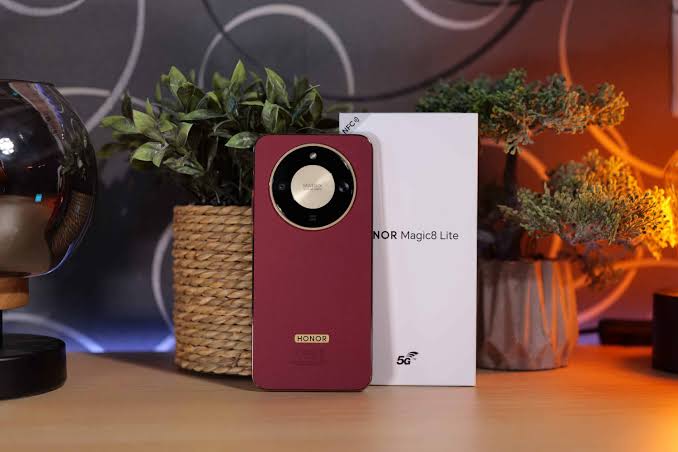
The HONOR Magic8 Lite shows how large batteries are becoming more common outside flagship and gaming phones. It comes with a 7,500mAh silicon-carbon battery, and HONOR says it can provide up to three days of battery life under its laboratory usage model, though the company notes the result depends on network conditions, apps, brightness, and individual usage.
The Magic8 Lite is designed more for everyday users than hardcore gamers, making its large battery especially useful for people who spend their day on WhatsApp, YouTube, web browsing, social media, calls, photos, navigation, and music. You don't necessarily need a gaming phone to get excellent endurance in 2026.
6. vivo X300 Pro — Strong Flagship Battery and Charging
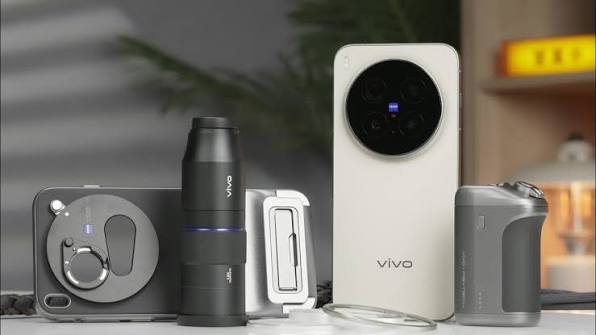
The vivo X300 Pro takes a different approach from phones with 8,000mAh-plus batteries. It uses a 6,510mAh battery in global markets (5,440mAh in Europe), paired with 90W wired FlashCharge and 40W wireless charging. That capacity is smaller than the OnePlus 15, POCO F9 Ultra, and Redmi Note 17 Pro Max, but it's still a strong package, especially for a phone with such a camera-focused design.
Third-party testing and comparisons show that battery results can vary considerably depending on the test method; different labs report different endurance figures across browsing, video, gaming, and standby tests for the X300 Pro versus rivals like the OnePlus 15, a reminder that battery capacity alone can't determine real-world battery life.
7. Samsung Galaxy S26 Ultra — Best Premium Samsung Battery
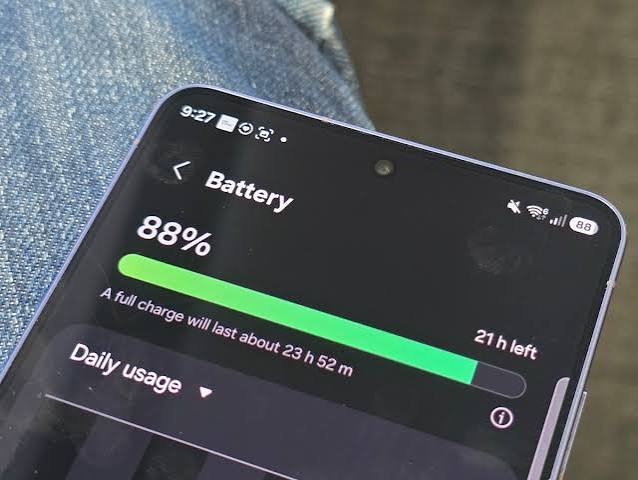
Samsung's Galaxy S26 Ultra doesn't compete with the 8,000mAh and 9,000mAh-plus phones on raw capacity. Instead, Samsung uses a 5,000mAh battery with 60W wired charging and 25W wireless charging, rating the phone for up to 31 hours of video playback and up to 75% charge in around 30 minutes under its specified conditions.
For a premium flagship with a large, bright display and powerful processor, that's still a strong battery package. The Galaxy S26 Ultra is a good choice if you want battery endurance alongside a high-end camera system, premium display, long-term software support, and Samsung's flagship features. It's not the phone to buy simply because you want the largest battery, but it's one of the better choices for a complete premium smartphone with dependable battery life.
8. Xiaomi 17 Ultra — Battery-Focused Camera Flagship
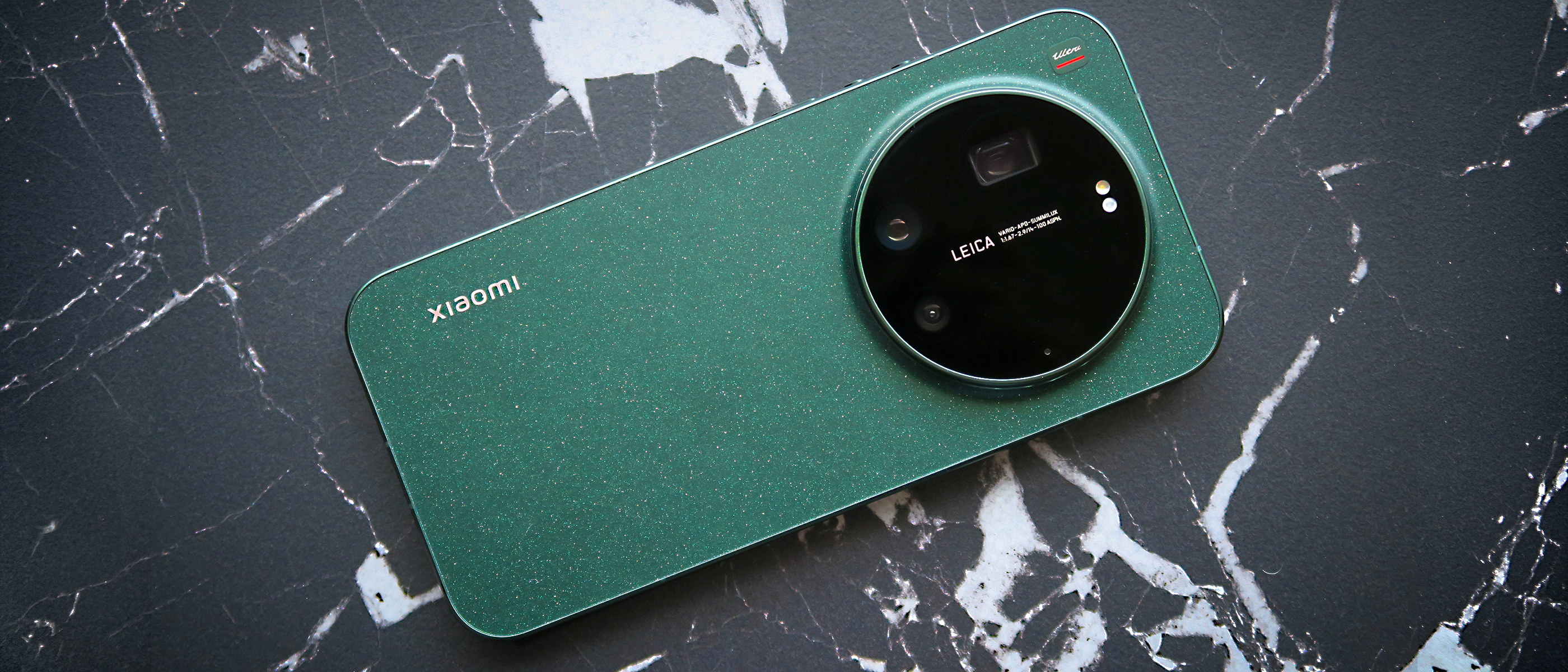
The Xiaomi 17 Ultra is another phone worth considering if battery life matters but you also care heavily about photography. The global version carries a 6,000mAh battery with 90W wired and 50W wireless charging, giving users enough capacity for demanding camera use, video recording, navigation, and media consumption.
Camera phones can consume a lot of battery because image processing, high-resolution sensors, stabilization, displays, and video recording all place additional demands on the processor, so for photographers and content creators, battery capacity is more important than it might initially seem. The Xiaomi 17 Ultra belongs in this category because it combines flagship Leica camera hardware with the larger battery technology that's become increasingly common in 2026.
9. OPPO Find X10 Pro — Fast Charging and Long Endurance
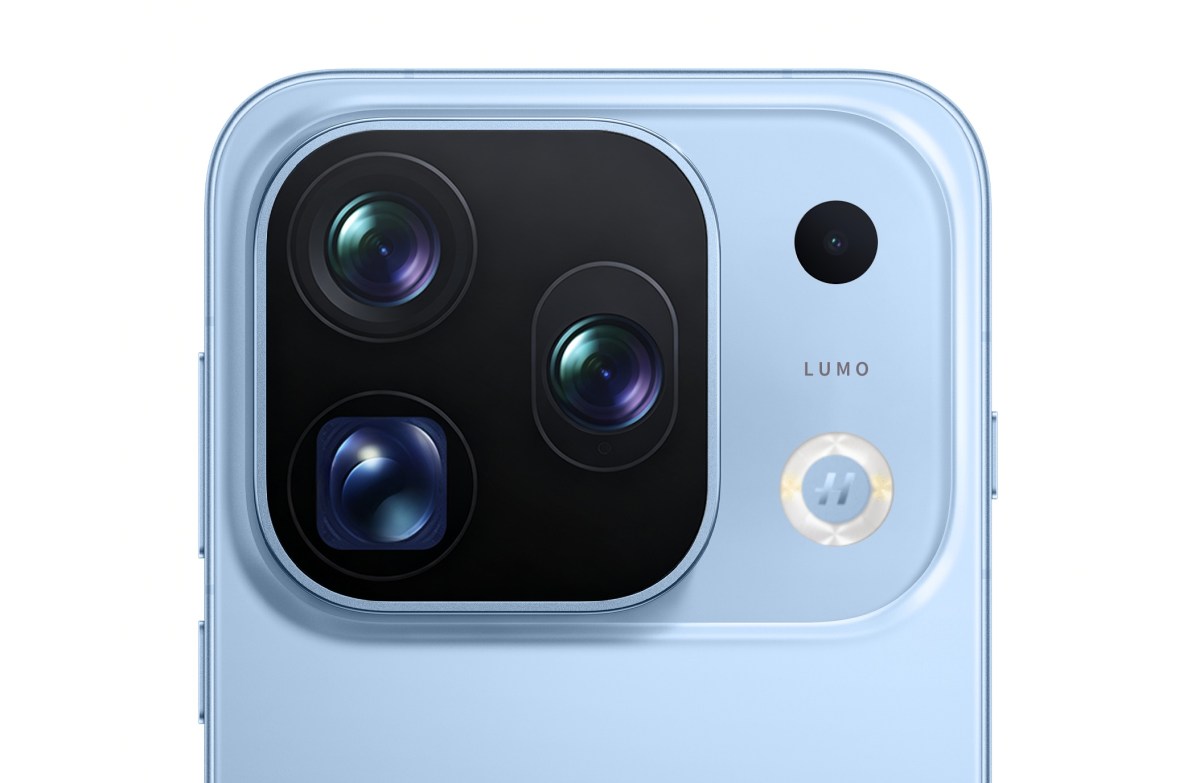
The OPPO Find X10 Pro is another flagship built around the combination of large modern battery technology and fast charging. OPPO's high-end phones have increasingly focused on silicon-carbon battery technology, allowing the company to increase capacity without simply making the phone dramatically thicker.
The result is a phone that targets users who want strong endurance but still expect flagship performance, a premium display, high-end cameras, and fast charging. For many users, this combination is more practical than simply buying the phone with the biggest possible battery.
10. OnePlus 15R — Battery Life Without Going All the Way to Ultra-Premium
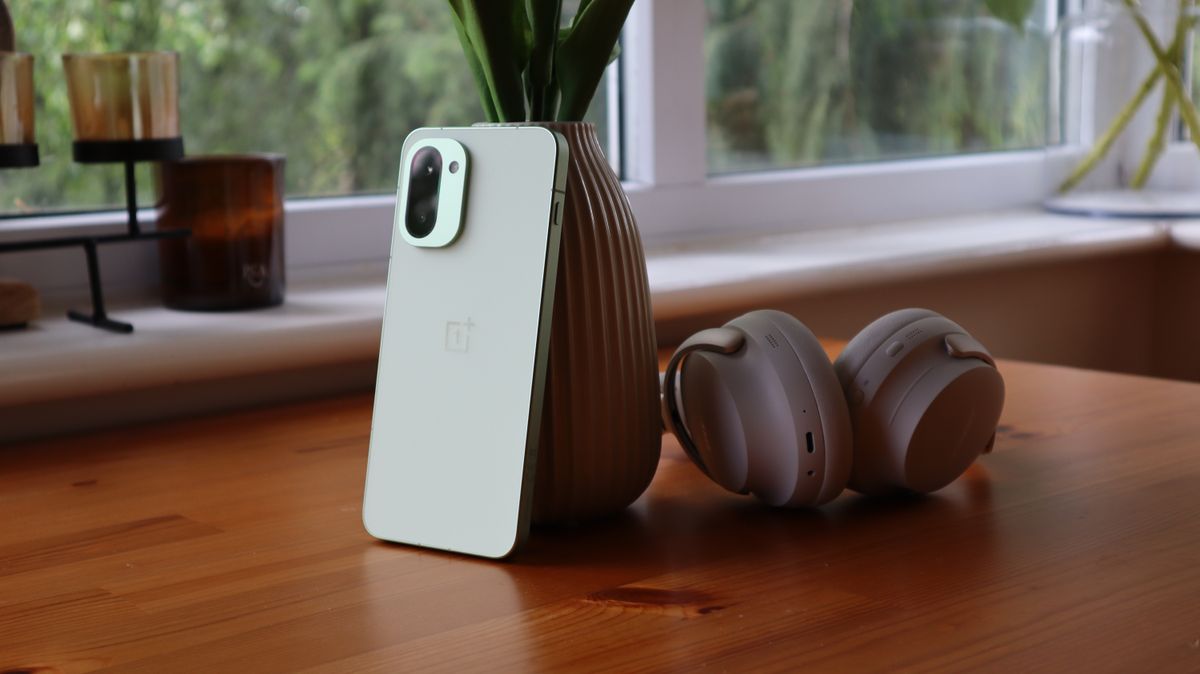
The OnePlus 15R is worth considering if the OnePlus 15 is more phone than you need. It follows the same general philosophy, prioritizing battery capacity, charging, performance, and efficiency. Tom's Guide's 2026 battery-life roundup placed the OnePlus 15R immediately behind the OnePlus 15 in its testing, with a result of 21 hours and 54 minutes, making it particularly interesting for people who want very long battery life without buying the most expensive model in the lineup.
Best Battery Phones for Different Types of Users
Best Battery Life Overall
OnePlus 15 — Its combination of a 7,300mAh battery, fast wired and wireless charging, and excellent independent battery-test performance makes it a strong all-around choice.
Biggest Battery
Redmi Note 17 Pro Max — Its 9,210mAh (EU) to 10,000mAh (global) silicon-carbon battery is the standout feature, paired with 100W HyperCharge.
Best for Gaming
REDMAGIC 11 Pro — A 7,500mAh battery combined with advanced liquid cooling, gaming controls, and 80W wired and wireless charging.
Best High-Performance Battery Phone
POCO F9 Ultra — An 8,050mAh battery, Snapdragon 8 Elite Gen 5 processor, 100W wired charging, and 50W wireless charging create a strong performance-focused package.
Best Premium Samsung Option
Galaxy S26 Ultra — A smaller 5,000mAh battery than several competitors, but combined with flagship hardware and Samsung's battery optimization.
Best Everyday Battery-Focused Phone
HONOR Magic8 Lite — A 7,500mAh battery and HONOR's claimed three-day battery model make it attractive for normal daily use.
Does a Bigger Battery Always Mean Better Battery Life?
No. A bigger battery usually gives a phone more energy to work with, but it doesn't automatically guarantee longer battery life. Several other factors matter just as much.
Processor efficiency
A newer processor can perform more work while using less power, which is one reason a phone with a smaller battery can sometimes compete with a phone that has a much larger one.
Display
A large, bright display running at a high refresh rate can consume significant power. Phones that dynamically adjust refresh rates can reduce power consumption when a high refresh rate isn't necessary.
Software optimization
Android manufacturers use different approaches to background apps, power management, animations, and network activity, so two phones with similar hardware can have noticeably different endurance.
Network connection
5G can consume more power than Wi-Fi in certain situations, especially with a weak signal. If you spend most of your day in an area with poor cellular coverage, your phone may drain faster regardless of its battery capacity.
Gaming
Gaming is one of the hardest tasks for a smartphone battery. High-performance processors, GPUs, high-refresh-rate displays, speakers, and cooling systems all work harder during demanding games.
What Is a Silicon-Carbon Battery?
Silicon-carbon battery technology is one of the biggest reasons smartphone batteries have become much larger in 2026. Traditional lithium-ion batteries have limitations around how much energy can be stored in a given amount of space, while silicon-based materials can increase energy density, letting manufacturers fit more capacity into a similar physical footprint. That's why modern smartphones can now have batteries like 7,300mAh, 8,050mAh, and even 9,210mAh or higher, without becoming dramatically thicker devices.
How to Choose a Smartphone With the Best Battery Life
When shopping for a battery-focused phone, don't look at the mAh number alone. Start by checking the battery capacity; anything above 6,000mAh is generally a strong starting point in today's market, while phones above 7,000mAh are especially interesting for heavy users.
Next, check charging speed. A 7,000mAh battery that charges quickly can be more convenient than an enormous battery that takes a long time to recharge, and you should also consider wireless charging if you regularly use charging stands or wireless accessories. Finally, look for independent battery tests when possible; manufacturers' claims are useful, but controlled tests from publications such as Tom's Guide and PhoneArena provide another way to compare phones, keeping in mind that different labs use different testing methods, so their results shouldn't be treated as directly interchangeable.
People Also Ask
Final Comparison
The smartphone market has changed considerably in 2026. Large batteries are no longer limited to niche gaming phones, and silicon-carbon technology has let manufacturers push capacities much higher. The OnePlus 15 stands out for its combination of battery capacity, charging, efficiency, and independently tested endurance. The Redmi Note 17 Pro Max takes the lead when raw battery capacity is the main priority, thanks to its 9,210mAh to 10,000mAh battery, though it trades away flagship-level performance to get there.
For gamers, the REDMAGIC 11 Pro and POCO F9 Ultra offer large batteries alongside hardware designed for demanding workloads. Meanwhile, phones like the Galaxy S26 Ultra show that a smartphone doesn't need an enormous battery to deliver strong everyday endurance, combining a 5,000mAh battery with optimized hardware and software to reach up to 31 hours of video playback.
The biggest lesson is simple: don't judge a phone's battery life by mAh alone. Battery capacity, processor efficiency, display technology, software optimization, network conditions, charging speed, and your personal usage all affect how long a smartphone actually lasts. If you want the best balance of these factors, the OnePlus 15 is a strong place to start; if your priority is maximum capacity, the Redmi Note 17 Pro Max is the more obvious choice; and if gaming is your main activity, the REDMAGIC 11 Pro and POCO F9 Ultra deserve a closer look.