.jpg)
You no longer need a four-figure budget to take great photos on your phone. This guide ranks the best camera phones of 2026 across every price range, from flagship phones built around zoom and video to budget picks that prove a great camera no longer requires a great big price tag.
Camera quality used to track price almost perfectly: spend more, get a better camera, no exceptions. That gap has narrowed considerably. Budget and mid-range phones released this year use larger sensors and smarter processing than similarly priced phones did just two or three years ago, while flagships keep pushing zoom range, video tools, and AI photography further ahead.
This guide picks a clear camera phone winner at every price point, so whether you have $250 or $1,300 to spend, you will find a recommendation that matches your budget and shooting style.
Quick Comparison: Best Camera Phones by Budget
| Budget Tier | Winner | Price | Best For |
|---|---|---|---|
| Best Overall | Galaxy S26 Ultra | $1,300 | Zoom range and all-around versatility |
| Best for Video | iPhone 17 Pro Max | $1,199 | Video creators and filmmakers |
| Best Value Flagship | Google Pixel 10 Pro | $1,099 | Effortless AI photography |
| Best Mid-Range Fast Charging | Realme GT 6 | $599 | Sharp daylight shots, fast charging |
| Best Mid-Range All-Rounder | Samsung Galaxy A56 5G | $449 | Reliable everyday camera, long updates |
| Best Zoom on a Budget | Tecno Camon 40 Pro 5G | $250 | Curved AMOLED display, capable triple camera |
| Best Under $300 | Infinix GT 20 Pro | $299 | Sharp daylight photos on a tight budget |
Best Overall Camera Phone: Samsung Galaxy S26 Ultra
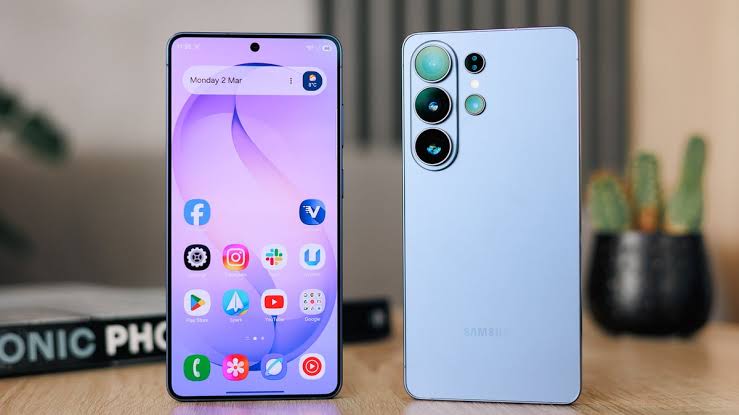
The Galaxy S26 Ultra remains the phone to beat if you want one device that handles nearly any photo situation well. Its 200MP main sensor now pairs with a brighter f/1.4 aperture, a genuine low-light improvement over last year's model, while its dual telephoto lenses covering 3x and 5x optical zoom give it the longest practical zoom range among the three biggest global brands. Samsung's AI editing suite also remains the most complete package available on Android, covering everything from portrait touch-ups to zoomed detail sharpening.
Best for Video: Apple iPhone 17 Pro Max
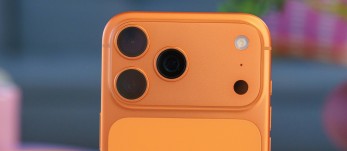
The iPhone 17 Pro Max is the strongest choice for anyone who records more video than photos. Its triple 48MP camera system supports ProRes Log recording for professional color grading and Spatial Video capture, genuinely useful filmmaking tools rather than marketing checkboxes. Independent lab testing has also ranked Apple's latest Pro camera hardware among the best night-time performers of this generation, making it a strong all-around pick beyond video alone.
Best Value Flagship: Google Pixel 10 Pro
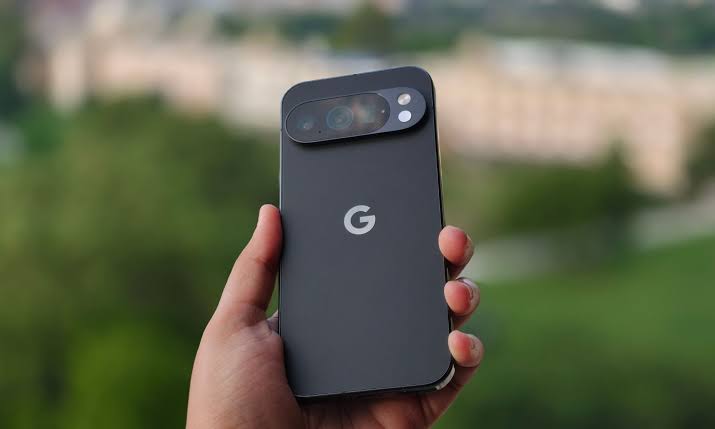
The Pixel 10 Pro undercuts the Galaxy S26 Ultra and iPhone 17 Pro Max on price while still delivering excellent photo quality, thanks largely to Google's Gemini-powered AI photography tools running fully on-device through its Tensor G5 chip. For buyers who want great, shareable photos without learning manual camera settings, it remains one of the easiest cameras to get consistently good results from, at around $1,099.
Best Mid-Range Fast-Charging Camera: Realme GT 6
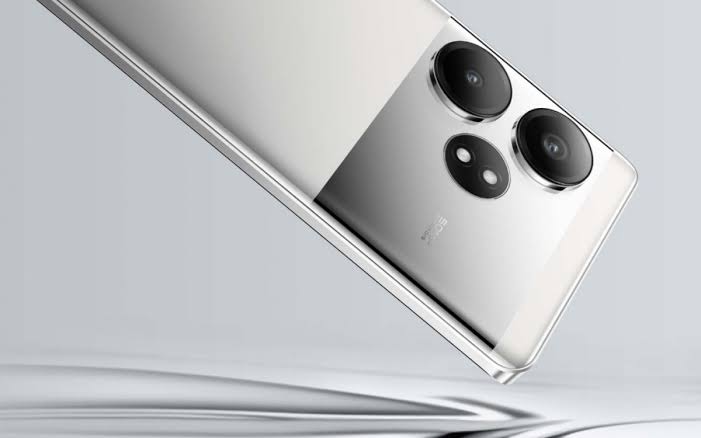
The Realme GT 6 pairs a Sony IMX906 main sensor with 120W wired charging, making it a smart pick for buyers who want strong daylight photo quality without flagship pricing or flagship charging times. At $599, its camera output holds up well against pricier rivals in good lighting, though low-light shots show more visible noise than the flagships above it.
Best Mid-Range All-Rounder: Samsung Galaxy A56 5G
The Galaxy A56 5G brings Samsung's camera processing down to a more accessible price, delivering reliable, natural-looking daylight photos alongside Samsung's typically long software update commitment. At $449, it is a dependable everyday camera phone for buyers who want Samsung's ecosystem and photo quality without paying flagship prices.
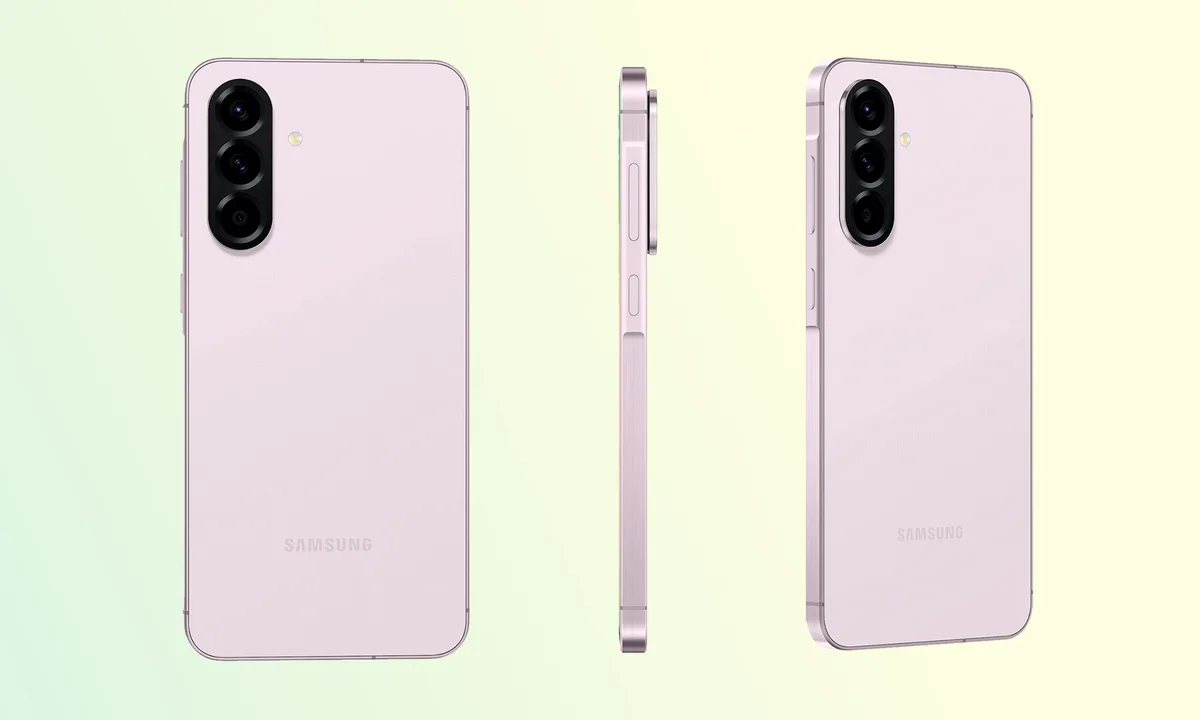
Best Zoom on a Budget: Tecno Camon 40 Pro 5G
The Tecno Camon 40 Pro 5G, popular across Kenya, Nigeria, and other African markets, pairs a curved AMOLED display with a genuinely capable triple-camera system at a price closer to $250. It is one of the strongest camera values in the mid-range segment for buyers focused primarily on price.
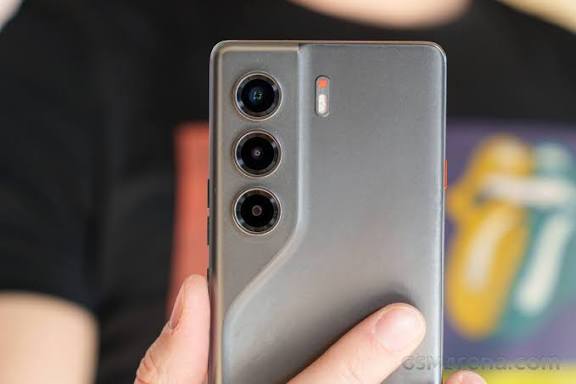
Best Camera Under $300: Infinix GT 20 Pro
The Infinix GT 20 Pro remains the clearest budget recommendation on this list. Its 108MP main camera produces sharp, well-detailed daylight photos that hold up surprisingly well against phones costing twice as much, while its 144Hz AMOLED display makes reviewing shots on the phone itself a genuinely pleasant experience. Low light and zoom are the two areas where it trails the phones above it, unsurprising at its price.
Camera Specs Explained Simply
Megapixels vs Sensor Size
Megapixels measure resolution, not overall photo quality. A well-tuned 50MP sensor with a larger physical size can outperform a poorly processed 200MP sensor in real shots. Sensor size, the physical dimensions of the chip capturing light, generally matters more for detail and low-light performance than the megapixel number alone.
Optical vs Digital Zoom
Optical zoom uses a physical lens to magnify an image without losing detail, while digital zoom crops and enlarges an existing image, reducing sharpness. Check a phone's true optical zoom range rather than its maximum combined zoom figure before assuming it will take sharp zoomed-in photos.
What Does Aperture Control?
Aperture, shown as an f-number like f/1.4 or f/1.8, describes how much light a lens lets in. A lower number lets in more light, which generally improves performance in dim conditions, one reason the Galaxy S26 Ultra's move to f/1.4 this year is a meaningful low-light upgrade.
How to Choose the Right Camera Phone for Your Budget
If budget is not a concern, prioritize the Galaxy S26 Ultra for overall versatility or the iPhone 17 Pro Max if video is your main focus. Between $400 and $700, the Realme GT 6 and Samsung Galaxy A56 5G both offer strong daylight photo quality with different strengths, fast charging versus long-term software support. Under $300, the Infinix GT 20 Pro and Tecno Camon 40 Pro 5G both prove that a genuinely good camera phone no longer requires a four-figure budget.
For a deeper side-by-side look at two of the flagships on this list, our Galaxy S26 Ultra vs iPhone 17 Pro Max comparison breaks down camera, battery, and performance differences in more detail.
Common Camera Phone Buying Mistakes to Avoid
- Judging a camera by megapixel count alone. Sensor size, aperture, and processing software affect real photo quality more than the number on a spec sheet.
- Trusting advertised maximum zoom figures. A phone's true optical zoom range is a better indicator of zoomed-in quality than its combined optical-plus-digital maximum.
- Assuming budget phones can't take good photos. Phones like the Infinix GT 20 Pro prove that solid daylight photography no longer requires flagship pricing.
- Ignoring low-light performance when comparing budget phones. This remains the category where cheaper phones fall furthest behind flagships, worth checking before buying if you shoot indoors or at night often.
People Also Ask
Conclusion
The best camera phone of 2026 depends entirely on your budget and how you shoot. If money is no object, the Galaxy S26 Ultra and iPhone 17 Pro Max remain the strongest all-around choices, while the Google Pixel 10 Pro offers nearly the same quality for less. In the mid-range, the Realme GT 6 and Samsung Galaxy A56 5G both deliver dependable daylight photography, and under $300, the Infinix GT 20 Pro and Tecno Camon 40 Pro 5G prove that a genuinely capable camera phone is within reach at almost any budget this year.