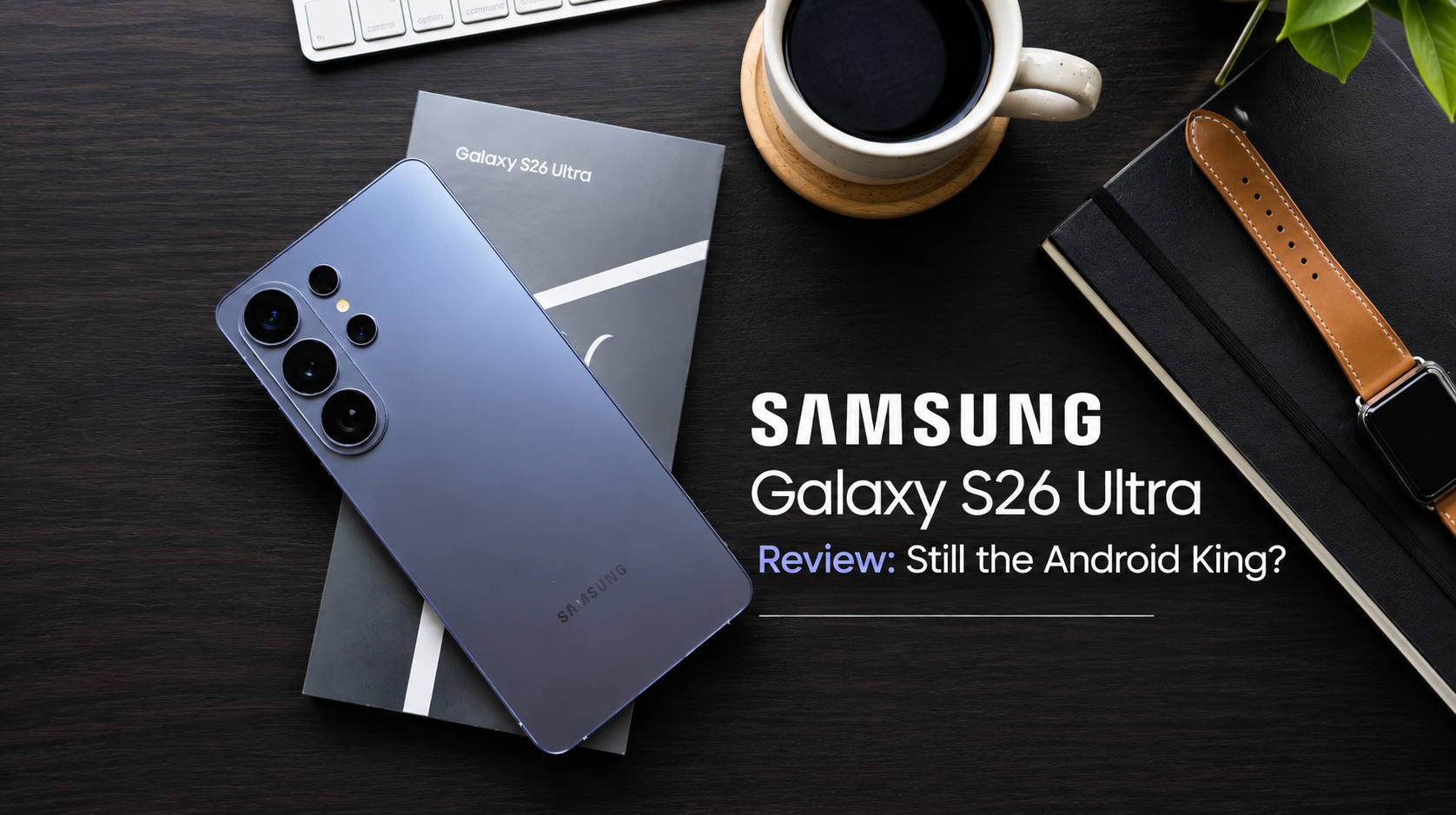
We spent several weeks with the Samsung Galaxy S26 Ultra as our daily driver, testing its camera against last year's model, pushing its battery through heavy days, and living with its new Privacy Display feature. Here is our full verdict on whether it still deserves the title of Android's flagship king.
Every year, the Galaxy Ultra arrives with a familiar promise: the biggest camera numbers, the brightest screen, and the most complete feature set on Android. The Galaxy S26 Ultra mostly keeps that promise, but 2026 has also been the year rivals closed the gap faster than usual. OnePlus now matches Samsung on raw battery life. Google's Pixel 10 Pro undercuts it on price while offering comparably strong AI photography. Apple's iPhone 17 Pro Max continues to lead on video. So does the Galaxy S26 Ultra still deserve to be called the king of Android? Our testing suggests yes, but with real caveats worth knowing before you spend $1,300.
In This Review
- Design and Build Quality
- Display and Privacy Display
- Performance and Snapdragon 8 Elite Gen 5
- Camera Performance
- Battery Life and Charging
- Software, One UI 8, and Galaxy AI
- Final Verdict
- People Also Ask
Design and Build Quality
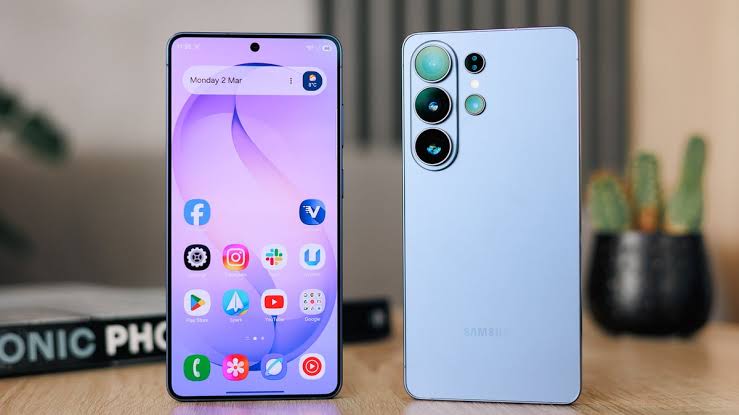
Samsung reworked the Galaxy S26 Ultra's design more than any Ultra model in recent memory. It replaces the separate camera rings of previous generations with a unified "Camera Island" module, giving the back a more cohesive, architectural look. The phone is also noticeably thinner and lighter than its predecessor, measuring 7.9mm thick and weighing 214 grams, built around a new Armor Aluminum frame in place of the titanium frame used on the last few Ultra models.
In daily use, the weight difference is immediately noticeable if you're upgrading from an older Ultra. The phone feels genuinely more comfortable to hold for long stretches, whether scrolling one-handed on a commute or holding it up for a long video call. Samsung has kept the S Pen slot and support, still one of the Ultra line's defining features compared to every other flagship on this list, and the phone carries an IP68 rating for dust and water resistance.
Build quality throughout our testing period felt exactly as solid as you'd expect from a $1,300 flagship. The Corning Gorilla Armor-style glass on the front resisted the usual pocket scuffs, and the frame showed no signs of flex or creak even under firm one-handed grip.
Display and Privacy Display
The Galaxy S26 Ultra's 6.9-inch Dynamic AMOLED 2X panel remains one of the best displays on any phone, running at a smooth 120Hz with excellent color accuracy and strong outdoor visibility. What's genuinely new this year is Samsung's first Privacy Display, a screen feature that narrows the viewing angle on demand, making it much harder for someone sitting beside you to read your screen.
We tested this feature extensively on flights, in coffee shops, and on public transit, and it works better than we expected. Toggling it on visibly darkens the screen from an angle within a second or two, while the phone remains perfectly readable head-on. It won't replace a dedicated privacy screen protector for constant use, since it slightly dims brightness when active, but as a quick, built-in option for reading something sensitive in public, it's a genuinely useful addition rather than a gimmick.
Outdoors, the display continues to perform well in direct sunlight, though it doesn't quite match the peak brightness figures Apple has pushed on the iPhone 17 Pro Max. In every other lighting condition, colors looked accurate and consistent throughout our testing.
Performance and Snapdragon 8 Elite Gen 5
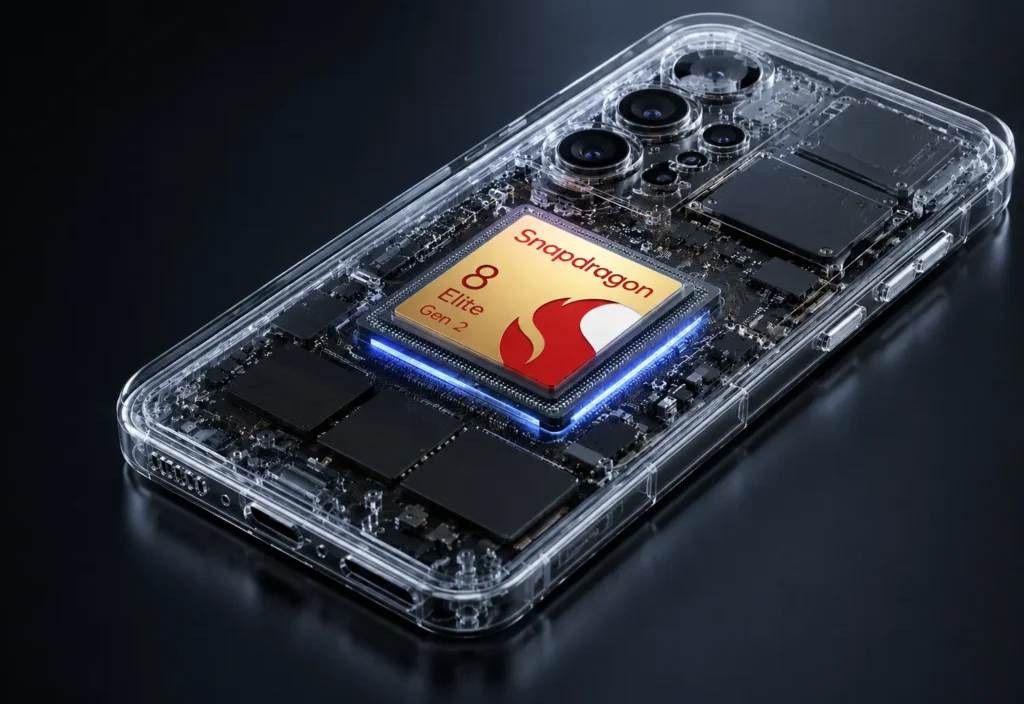
The Galaxy S26 Ultra runs a custom Snapdragon 8 Elite Gen 5 for Galaxy chipset, paired with 12GB of RAM as standard and 16GB on the largest 1TB storage configuration. Across our testing period, this translated into completely lag-free everyday performance, smooth multitasking between a dozen or more open apps, and strong results in demanding mobile games at high settings.
Benchmark testing placed the chip firmly among the fastest currently available on Android, competitive with MediaTek's Dimensity 9500 depending on the specific test, though the real-world difference between top-tier chips rarely matters as much as marketing suggests. What we did notice during extended gaming sessions was solid thermal management, with only a mild, expected amount of warmth building up after 30-plus minutes of intensive play, and no dramatic frame rate drop-off.
Camera Performance
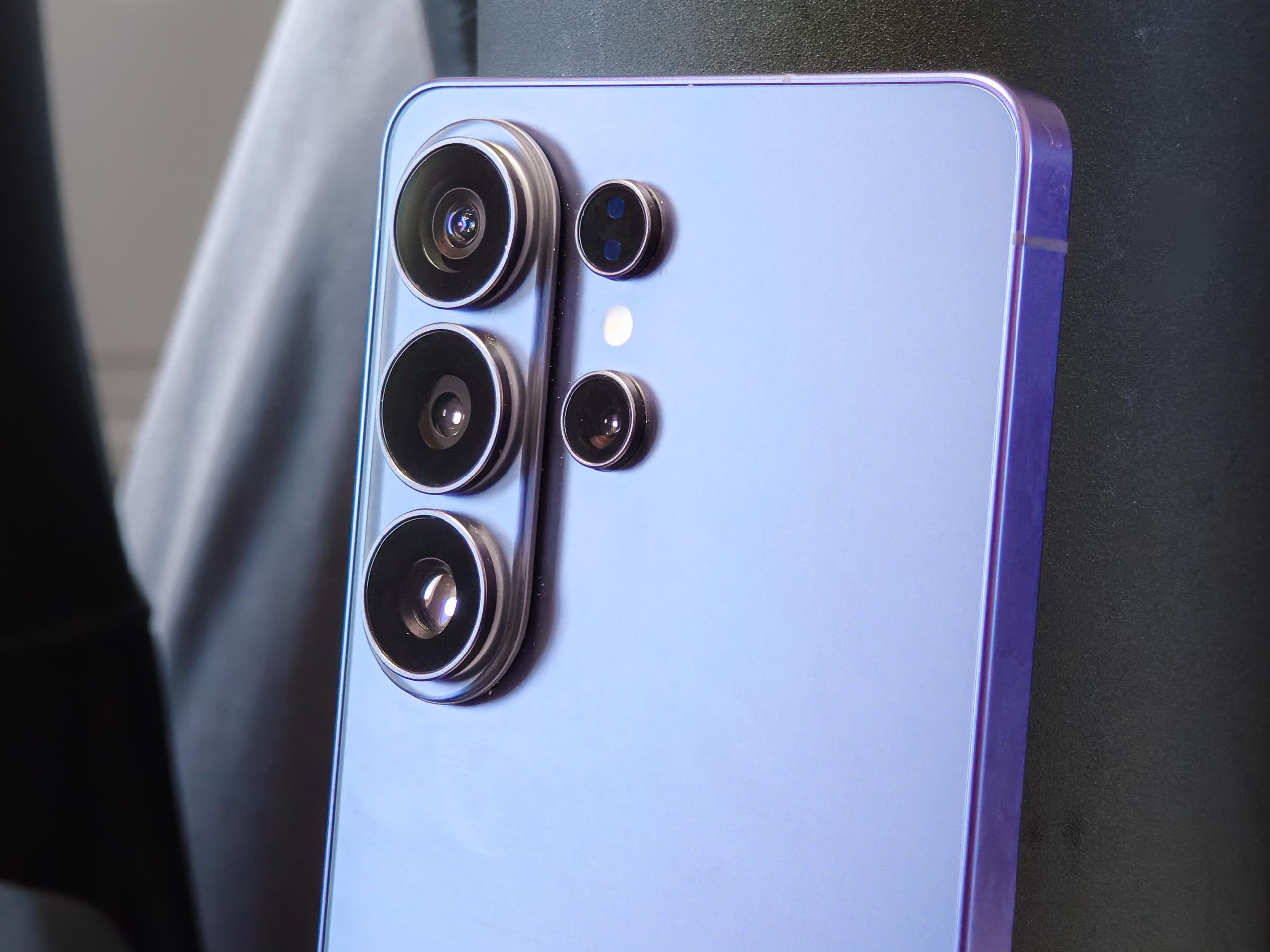
The camera system remains the Galaxy S26 Ultra's single biggest selling point, and our testing backs that up. Its 200MP main sensor now pairs with a brighter f/1.4 aperture, a genuine, noticeable improvement in dim indoor lighting compared to last year's model. Photos taken at a dinner table with mixed warm lighting came out sharper and with less visible noise than we expected from a phone camera at this size.
The standout feature remains zoom range. The quad-camera system includes dual telephoto lenses covering both 3x and 5x optical zoom, giving genuinely more reach than the single telephoto lens found on the iPhone 17 Pro Max or most other Android flagships. We tested this on a weekend hike, photographing distant birds and a far-off ridge line, and the difference in usable detail at 5x compared to a single-lens flagship was obvious even to a casual viewer.
Color processing leans slightly cooler than Apple's warmer tones or Google's punchier saturation, a matter of preference rather than a flaw. Samsung's AI editing suite, including zoomed detail enhancement and portrait touch-ups, remains the most complete package we've tested on Android, letting us clean up backlit shots and remove distracting background elements convincingly.
Video recording is strong but not class-leading. The iPhone 17 Pro Max's ProRes Log recording and more consistent color across lenses still give it an edge for anyone doing serious video work, though the Galaxy S26 Ultra handles standard 4K recording for everyday use without complaint.
Battery Life and Charging
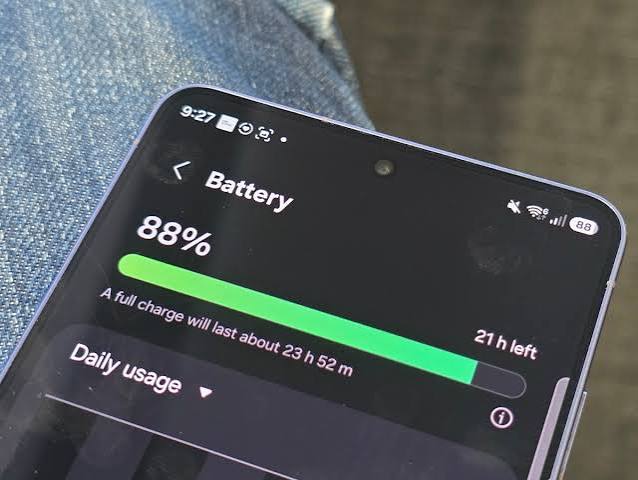
This is where the Galaxy S26 Ultra shows its clearest weakness relative to 2026's best. Its 5,000mAh battery comfortably got most of our testers through a full day of typical use, including several hours of screen-on time, camera use, and social media, but it fell short of the multi-day endurance we've seen from silicon-carbon-equipped rivals like the OnePlus 15 or Oppo Find X9 Pro.
Charging speed is a genuine improvement this year, jumping to 60W wired, up from 45W on the previous Ultra. In our testing, this took the battery from empty to around 65 percent in roughly 30 minutes, a meaningful quality-of-life improvement over previous Ultra models even if it still trails OnePlus and Oppo's fastest charging speeds.
Software, One UI 8, and Galaxy AI
The Galaxy S26 Ultra ships with One UI 8 on Android 16, and Samsung now guarantees seven years of OS and security updates, matching what used to be one of Apple's clearest advantages. Throughout our testing, the software felt polished and stable, with no significant bugs or crashes over several weeks of daily use.
Samsung's Galaxy AI features are built directly into this software layer rather than feeling like a bolted-on add-on. Now Brief delivers a genuinely useful personalized daily summary each morning, Now Nudge reads on-screen content to suggest relevant next actions, and Photo Assist now accepts written prompts for faster, more intuitive edits. Compared to Apple Intelligence's more conservative feature set, Samsung's approach offers more visible, proactive AI tools, though it occasionally means more notifications and prompts than some users may want.
Conclusion
The Samsung Galaxy S26 Ultra remains the most complete Android flagship you can buy in 2026, and after weeks of daily use, we'd still recommend it to most buyers who want one phone that handles nearly every situation well. Its zoom range, low-light camera performance, and full AI editing suite remain unmatched on Android, and Samsung's seven-year software commitment removes one of the biggest reasons to hesitate on a $1,300 purchase.
Its clearest weakness is battery capacity relative to newer rivals with silicon-carbon batteries, a real consideration if all-day-and-then-some endurance matters more to you than camera versatility. For anyone prioritizing photography, display quality, and long-term software support, though, it remains the Android phone to beat this year.
For a closer look at how it stacks up against Apple's current flagship, read our full Galaxy S26 Ultra vs iPhone 17 Pro Max comparison, and if battery life is your top priority, our best battery life smartphones of 2026 guide covers several strong alternatives.