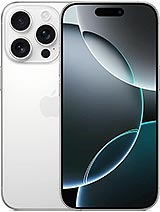
Full Specifications
Launch
| Announced | September 9, 2025 |
| Released | September 19, 2025 |
Network
| Technology | GSM / CDMA / HSPA / EVDO / LTE / 5G |
| 5G | Yes (sub-6 GHz; mmWave on US models) |
| Bands | Vary by model number; see Apple's regional specification pages |
Body
| Dimensions | 149.6 x 71.5 x 7.95 mm |
| Weight | 177 g |
| Build | Aluminum frame, Ceramic Shield 2 front, Ceramic Shield back |
| Water and dust resistance | IP68 |
| Colors | Lavender, Sage, Mist Blue, White, Black |
Display
| Type | Super Retina XDR OLED |
| Size | 6.3 inches |
| Resolution | 1206 x 2622 pixels |
| Refresh Rate | Up to 120Hz (ProMotion) |
| Protection | Ceramic Shield 2 |
| Features | Dynamic Island |
Platform
| OS | iOS 26 (at launch) |
| Chipset | Apple A19 |
Memory
| RAM | 8 GB (reported; not published by Apple) |
| Storage | 256GB / 512GB |
| Card Slot | No |
Camera
| Main | 48 MP (Dual Fusion camera system) |
| Ultrawide | 48 MP |
| Front | 18 MP (Center Stage) |
Sound
| Speakers | Stereo speakers |
| 3.5mm jack | No |
Connectivity
| Wi-Fi | Wi-Fi 7 |
| Bluetooth | 6 |
| NFC | Yes |
| USB | USB-C |
Features
| Camera Control | Yes (dedicated capture button) |
| Action button | Yes |
Battery
| Capacity | 3692 mAh (reported; not published by Apple) |
Price
| Launch price (US, USD) | $799 (256GB), $999 (512GB) |
| Availability | Varies by region |
Prices are provided for reference and may change over time. Actual prices vary by region, retailer, storage configuration, taxes, and promotions. Check with local retailers for the latest price.
Specifications are collected from available manufacturer information and reliable sources. While we make efforts to keep this page accurate and up to date, some details may change or vary by region and configuration. If a specification is important to your purchase, confirm it with the manufacturer or seller.
Editorial Overview
This is an editorial analysis of the specifications listed on this page. It is not based on SpecHub lab testing, so it makes no claims about benchmarks, battery life or camera results. Manufacturer lab figures are not reproduced here.
Phone Overview
The iPhone 17 is the standard model of Apple's 2025 lineup. It moves up to a 6.3-inch display with a faster refresh rate, a second 48MP rear camera and an 18MP front camera, and it starts at 256GB of storage. It is aimed at buyers who want the main iPhone experience with fewer compromises than the 16.
Performance and Processor
It uses the Apple A19 with 8GB of RAM reported by independent sources. Storage options are 256GB and 512GB with no card slot. SpecHub has not benchmarked the phone, and the CPU and GPU core counts are not listed because they were not verified.
Display Experience
The 6.3-inch Super Retina XDR OLED display has 1206 x 2622 pixels and supports ProMotion up to 120Hz, which the standard iPhone 16 does not offer. It is protected by Ceramic Shield 2 and keeps the Dynamic Island.
Camera Experience
Both rear cameras are 48MP: a main camera and an ultrawide. There is no telephoto lens. The front camera is an 18MP Center Stage unit. SpecHub has not tested image quality, and lens details beyond resolution are omitted because they were not verified.
Battery and Charging
Independent sources report a 3692 mAh battery, compared with 3561 mAh for the iPhone 16. Apple does not publish this figure. Charging speeds are not listed because they could not be verified. We have no endurance tests.
Software and Features
The phone launched with iOS 26 and supports Wi-Fi 7, Bluetooth 6, NFC and USB-C. It has Face ID, the Action button and Camera Control.
Who Should Consider This Phone?
People upgrading from an iPhone 15 or older who want a smoother screen, more storage and a better front camera without paying Pro prices will find it a good match.
Who May Prefer Another Phone?
Buyers who want a telephoto lens should consider an iPhone 17 Pro. Those who want a lower price may prefer the iPhone 17e or an older model.
Editorial Verdict
The iPhone 17 gives the standard iPhone a 120Hz display, two 48MP rear cameras and 256GB of starting storage. Its limits are the lack of a telephoto lens and unpublished battery and RAM figures.